Thinking about where to go in Bangladesh can feel a bit tricky at first. There are so many amazing spots, and knowing where to start with the best tourist places in Bangladesh can be a puzzle. Don’t worry, we’re here to make it super simple.
We’ll walk you through everything step-by-step. Get ready to discover some truly wonderful places.
Key Takeaways
- You will learn about the top natural wonders in Bangladesh.
- Discover historical and cultural sites that are must-visits.
- Get practical tips for planning your trip to these locations.
- Find out about unique experiences awaiting you in Bangladesh.
- Understand why certain places stand out for travelers.
Exploring Nature’s Wonders In Bangladesh
Bangladesh is blessed with incredible natural beauty, offering serene landscapes and vibrant ecosystems that captivate every visitor. From the vast mangrove forests to the rolling hills and extensive coastlines, these natural attractions showcase the country’s diverse geography. They provide opportunities for adventure, relaxation, and a deep connection with the environment.
Exploring these places often involves experiencing unique wildlife and breathtaking scenery.
The Sundarbans A Mangrove Marvel
The Sundarbans is the largest contiguous mangrove forest in the world, a UNESCO World Heritage Site straddling Bangladesh and India. This unique ecosystem is a haven for biodiversity, most famously known as the last stronghold of the Royal Bengal Tiger. The forest is a complex network of waterways, mudflats, and small islands, making boat safaris the primary way to explore its wonders.
Travelers can experience the Sundarbans through various organized tours, often starting from Khulna or Mongla. These tours typically include stays on houseboats, allowing for immersive exploration of the creeks and rivers. Visitors can spot a variety of wildlife, including deer, crocodiles, monkeys, and numerous bird species.
The rich environment supports a delicate balance, and conservation efforts are crucial for its preservation.
-
Tiger Spotting in the Sundarbans
The chance to see a Royal Bengal Tiger in its natural habitat is a highlight for many visitors. While sightings are rare and require patience, the thrill of knowing they are there adds to the mystique of the Sundarbans. Guided treks with experienced trackers increase the possibility of spotting these magnificent big cats, though it’s important to maintain a safe distance and respect their environment.
The dense foliage and winding waterways create a challenging but rewarding environment for wildlife photography enthusiasts.
-
Exploring the Waterways by Boat
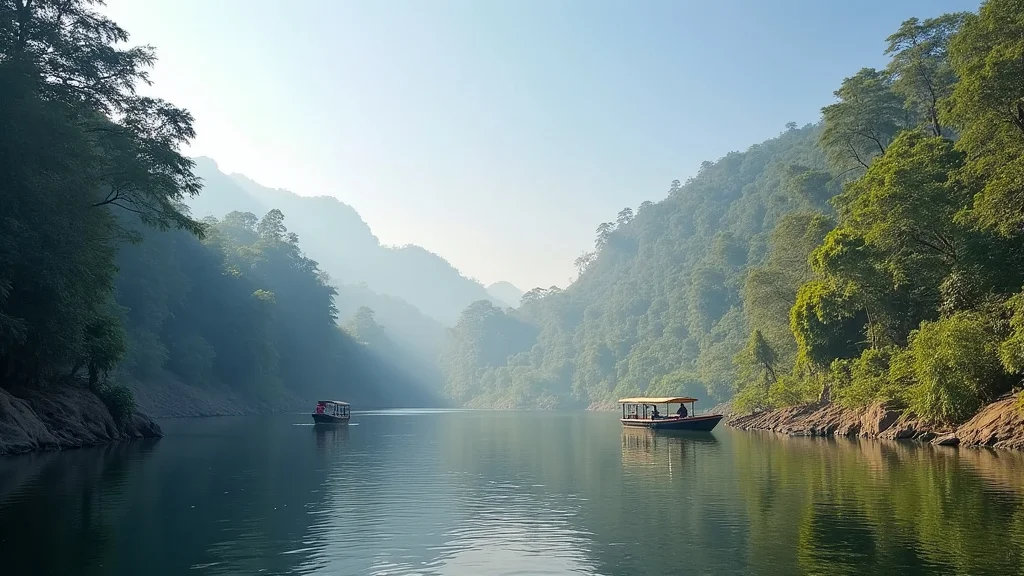
Life in the Sundarbans revolves around its intricate network of rivers and canals. Boat trips offer an unparalleled perspective of the mangrove ecosystem. From small dinghies that can navigate narrow creeks to larger vessels for overnight stays, each boat journey reveals new vistas.
Observing local life, fishermen casting their nets, and the unique flora adapted to saline conditions are part of the experience. The ebb and flow of the tides dramatically change the landscape, offering different views at various times of the day.
-
Biodiversity Hotspot
Beyond tigers, the Sundarbans is teeming with life. It’s a crucial breeding ground for fish, and its waters are home to various species of dolphins and turtles. The Avifauna is particularly rich, with over 300 species of birds recorded, including kingfishers, eagles, and storks.
The unique mangrove flora, with its stilt roots and salt-tolerant leaves, creates a distinctive environment that supports this vast array of life. Understanding this complex ecological web is key to appreciating the Sundarbans’ significance.
Cox’s Bazar The World’s Longest Natural Sea Beach
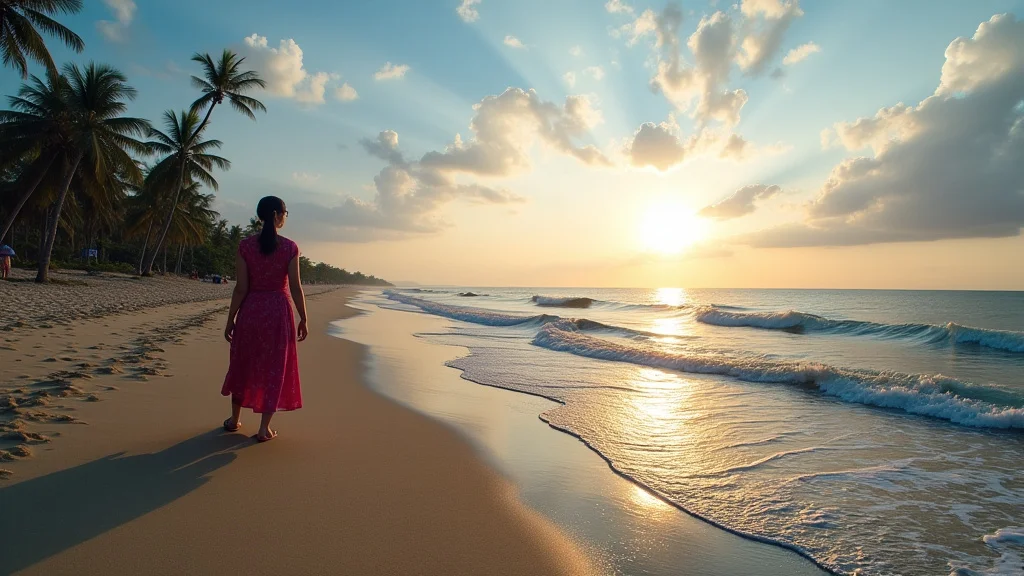
Cox’s Bazar boasts the longest natural sea beach in the world, stretching for over 120 kilometers along the Bay of Bengal. This popular destination attracts millions of tourists annually, offering a classic beach experience with golden sands, gentle waves, and stunning sunsets. It’s a place for relaxation, water sports, and enjoying the coastal lifestyle.
The main town of Cox’s Bazar provides a wide range of accommodation, from budget guesthouses to luxury resorts, catering to all types of travelers. Beyond the main beach, there are quieter stretches like Inani Beach, known for its rock formations and cleaner waters, and Himchari National Park, offering a scenic escape with waterfalls and panoramic views. Local cuisine, particularly fresh seafood, is another major draw for visitors.
-
Sunbathing and Swimming
The expansive sandy shores of Cox’s Bazar are perfect for lounging, sunbathing, and swimming. The waters are generally calm and safe for bathing, especially in designated areas. The sheer length of the beach means you can always find a quiet spot, even during peak season.
Many hotels and resorts offer direct access to the beach, making it convenient for guests to enjoy the sea.
-
Sunset Views
The sunsets at Cox’s Bazar are legendary. As the sun dips below the horizon, the sky transforms into a canvas of vibrant colors, painting the sea and sand in hues of orange, pink, and purple. This daily spectacle is a major attraction, with crowds gathering along the promenade to witness the breathtaking display.
It’s a moment of natural beauty that leaves a lasting impression on visitors.
-
Water Sports and Activities
For those seeking a bit more adventure, Cox’s Bazar offers various water sports. Activities like surfing, jet skiing, and parasailing are available, though they might require some negotiation with local operators. Beach buggy rides are also popular for exploring longer stretches of the coastline.
The gentle waves make it suitable for beginners trying out surfing.
Sreemangal The Tea Capital Of Bangladesh
Sreemangal, located in the northeastern Sylhet Division, is famously known as the tea capital of Bangladesh. This region is characterized by rolling hills covered in lush green tea gardens, creating a picturesque landscape. The cool climate and serene environment make it an ideal destination for nature lovers and those seeking tranquility.
Visitors to Sreemangal can explore the vast tea estates, learn about the tea-making process, and sample some of the finest teas in the world. The area is also home to unique natural attractions like the Lawachara National Park, known for its biodiversity, and the mystical ‘waterfall of desires’ or Manipuri Para waterfall. The local culture, influenced by tea garden workers and indigenous communities, adds another layer of richness to the Sreemangal experience.
-
Visiting Tea Gardens
The most iconic experience in Sreemangal is visiting its sprawling tea gardens. You can walk through the emerald green carpets of tea bushes, witness the delicate process of tea plucking, and even visit tea factories to see how the leaves are processed. Some estates offer guided tours and tasting sessions, providing an in-depth understanding of tea cultivation and production.
The scent of tea leaves in the air and the endless rows of bushes create a uniquely calming atmosphere.
-
Lawachara National Park
Lawachara National Park is a significant biodiversity hotspot in Bangladesh. It is home to diverse flora and fauna, including several species of primates like the endangered Hoolock Gibbon. Well-maintained trails allow visitors to explore the dense rainforest, discover hidden waterfalls, and observe the rich variety of plant life.
Guided walks are recommended to spot wildlife and learn about the park’s ecological importance.
-
Seven Layer Tea
Sreemangal is famous for its unique ‘Seven Layer Tea,’ a beverage created by skillfully layering different densities of tea, milk, and sugar. This special drink is a must-try for any visitor and is available at various local tea stalls. The process of making it is a culinary art form, resulting in a visually appealing and delicious tea experience that is exclusive to this region.
Historical and Cultural Treasures
Bangladesh possesses a rich tapestry of history and culture, evident in its ancient ruins, historical monuments, and vibrant traditions. These sites offer a glimpse into the country’s past, from ancient civilizations to colonial influences and the struggle for independence. Exploring these cultural landmarks provides a deeper appreciation for Bangladesh’s heritage and identity.
Paharpur Buddhist Monastery The Ancient Heritage Site
The Paharpur Buddhist Monastery, also known as Somapura Mahavihara, is one of the most significant archaeological sites in Bangladesh and a UNESCO World Heritage Site. This ancient monastic complex dates back to the 8th century and was once one of the most important Buddhist learning centers in the Indian subcontinent. Its grand scale and architectural brilliance testify to the advanced civilization of the Pala dynasty.
The site features a central temple with a towering stupa, surrounded by a large quadrangle of monastic cells. Excavations have revealed intricate terracotta plaques depicting various scenes from Buddhist mythology and daily life of the period. Visiting Paharpur offers a profound connection to a bygone era and a testament to the country’s rich Buddhist heritage.
The sheer scale of the ruins evokes a sense of awe and wonder.
-
Architectural Grandeur
The ruins of Somapura Mahavihara showcase remarkable architectural planning and execution. The square plan of the monastery, with over 170 cells arranged around a courtyard, is a testament to the sophisticated design principles of ancient Indian architecture. The central shrine, though partially ruined, still commands attention and hints at its former glory.
The intricate terracotta art adorning the walls is a feast for the eyes, depicting a wide range of subjects.
-
Terracotta Artistry
The terracotta panels found at Paharpur are a major highlight. These clay sculptures, rich in detail and narrative, offer invaluable insights into the socio-cultural and religious life of the 8th century. They depict Buddhist deities, floral motifs, animal figures, and scenes from daily life.
The craftsmanship displayed in these panels is exceptional, reflecting a high level of artistic skill and cultural sophistication.
-
A Hub of Learning
Historical accounts suggest that Somapura Mahavihara was a renowned center of Buddhist learning, attracting scholars and monks from across Asia. It played a vital role in the dissemination of Buddhist philosophy and culture. Exploring the remnants of the cells and courtyards, one can almost imagine the bustling academic atmosphere that once pervaded this ancient site.
Sonargaon The Ancient Capital And Artistic Hub
Sonargaon, meaning ‘Golden Village,’ was an ancient administrative and commercial center of Bengal and served as the capital of the Sultanate of Bengal. Today, it is a significant historical and archaeological site, offering a fascinating glimpse into the region’s past glory. The charming, well-preserved buildings and ruins speak volumes about its former importance.
Key attractions in Sonargaon include the Panam City, a living museum of old architecture, and the Folk Arts and Crafts Museum, which showcases traditional Bangladeshi art, crafts, and rural life. Exploring the narrow lanes lined with colonial-era buildings and traditional Bengali houses feels like stepping back in time. The intricate wooden carvings and the architectural styles are a testament to the region’s artistic heritage.
-
Panam City: A Living Museum
Panam City is perhaps the most captivating part of Sonargaon. This area features beautifully preserved colonial-era buildings, many of which were once homes and businesses of wealthy merchants. The architecture is a blend of traditional Bengali and European styles, with ornate facades and intricate balconies.
Walking through Panam City feels like exploring a movie set, offering incredible photo opportunities and a unique historical ambiance.
-
Folk Arts and Crafts Museum
The Folk Arts and Crafts Museum, established by renowned artist Zainul Abedin, is a treasure trove of traditional Bangladeshi art. It houses a diverse collection of rural crafts, including pottery, textiles, wooden artifacts, and musical instruments. The museum also features life-size displays depicting various rural activities and professions, providing a vivid portrayal of Bangladesh’s rich folk heritage.
-
Historical Significance
Sonargaon served as the capital of the Sultanate of Bengal for a considerable period. Its strategic location on the trade routes made it a prosperous hub. The remnants of mosques, tombs, and administrative buildings offer clues about its past administrative structures and economic importance.
Understanding its historical context enriches the visitor’s experience of the site.
Moinot Ghat The Riverside Charm
Moinot Ghat, situated on the banks of the Padma River, is a popular riverside destination near Dhaka. It offers a refreshing escape from the city’s hustle and bustle, providing a serene environment with scenic views of the vast river. It’s an ideal spot for a day trip, picnics, and enjoying the simple pleasures of riverside life.
The main attraction here is the massive Padma River itself, especially during sunrise and sunset, when the water glimmers and the sky is painted with beautiful colors. You can enjoy boat rides, indulge in local snacks, and simply relax by the water. The presence of numerous country boats adds to the picturesque charm of the location.
It’s a place where locals often gather for leisure and recreation.
-
Padma River Views
The expansive Padma River is the star of Moinot Ghat. The sheer width of the river creates a sense of openness and tranquility. Observing the ebb and flow of the water, the distant sailboats, and the local life unfolding along the banks provides a deeply calming experience.
Sunrise and sunset are particularly magical, casting a golden glow over the water.
-
Boat Rides
Taking a boat ride on the Padma River is a quintessential experience at Moinot Ghat. Local boatmen offer rides that allow you to get closer to the river’s expanse and enjoy the cool breeze. These rides are typically short and affordable, providing a wonderful perspective of the riverside landscape and the life that depends on it.
It’s a peaceful way to connect with the natural environment.
-
Local Delicacies
Along the ghat, you’ll find vendors selling local snacks and refreshments. These often include fried fish, puffed rice, and various sweets. Enjoying these simple, delicious treats while sitting by the river adds to the authentic experience.
It’s a chance to savor local flavors and immerse yourself in the relaxed atmosphere of the place.
Planning Your Trip To Bangladesh
Organizing a trip to a new country can seem overwhelming, but with a bit of planning, it becomes an exciting prospect. Understanding the basics of travel in Bangladesh, from visa requirements to local customs and transportation, ensures a smoother and more enjoyable experience. Being prepared allows you to focus on soaking in the beauty and culture of the country.
Visa and Entry Requirements
Most foreign nationals require a visa to enter Bangladesh. The visa application process usually involves submitting an application form, passport, photographs, and supporting documents to the nearest Bangladeshi embassy or consulate in your home country. It’s advisable to check the specific requirements for your nationality well in advance of your travel dates.
Some countries may have visa-on-arrival facilities, but confirming this beforehand is crucial.
It’s also important to ensure your passport is valid for at least six months beyond your intended stay and has sufficient blank pages for visa stamps. Keep copies of your passport and visa separately from the originals. Understanding these entry formalities is the first step to a stress-free travel plan for exploring the best tourist places in Bangladesh.
-
Visa Application Process
The visa application process typically involves filling out an online or paper application form, providing your personal details, travel plans, and passport information. You’ll need to submit your passport, recent passport-sized photographs, and often a flight itinerary and hotel booking confirmation. Some applications might also require proof of sufficient funds.
It is essential to check the official website of the Bangladesh embassy or consulate in your country for the most up-to-date and accurate information.
-
Passport Validity and Pages
Ensure your passport has at least six months of validity remaining from your date of arrival in Bangladesh. This is a standard international travel requirement. Also, verify that you have enough blank pages for the visa sticker and any entry/exit stamps that will be affixed during your travel.
Missing pages or insufficient validity can lead to denial of entry.
-
Visa Types
Bangladesh offers various visa types, including tourist visas, business visas, and student visas. For tourism, you will typically apply for a tourist visa, which allows you to stay for a specified period. The duration and conditions of the visa will depend on your nationality and the agreement between Bangladesh and your country.
Always be clear about the purpose of your visit when applying.
Best Time To Visit Bangladesh
The best time to visit Bangladesh is generally during the dry season, which runs from October to March. During these months, the weather is pleasant with lower humidity, sunny days, and mild temperatures, making it ideal for sightseeing and outdoor activities. This period coincides with many local festivals and celebrations, adding to the cultural richness of a visit.
The summer months, from April to June, can be very hot and humid, with temperatures often exceeding 30-35 degrees Celsius. The monsoon season, from July to September, brings heavy rainfall, which can disrupt travel plans and make some areas inaccessible. While the rains can enhance the lushness of the countryside, they are generally less preferred for tourism.
Planning your visit during the cooler, drier months will offer the most comfortable experience for exploring the best tourist places in Bangladesh.
-
October to March Pleasant Weather
This period is considered the peak tourist season because of the favorable weather conditions. Average temperatures range from 20 to 30 degrees Celsius, with low humidity. The skies are usually clear, making it perfect for exploring historical sites, enjoying beaches, and trekking through natural landscapes.
Many significant cultural festivals, like Durga Puja and Poush Mela, also take place during this time.
-
April to June Hot and Humid
These months mark the beginning of summer in Bangladesh. Temperatures can soar, and humidity levels are high, making outdoor activities challenging. However, for those who can tolerate the heat, this season offers fewer crowds and potentially lower prices for accommodation and flights.
Mangoes, a popular fruit, are also in season during this period.
-
July to September Monsoon Season
The monsoon season brings heavy and consistent rainfall to most parts of the country. While it can lead to lush greenery and dramatic skies, it also poses challenges for travel. Many roads can become waterlogged, boat travel might be restricted, and outdoor activities like sightseeing can be significantly impacted.
However, for photographers and those seeking a dramatic, rain-soaked landscape, this season has its own unique appeal.
Local Transportation Options
Getting around Bangladesh involves a variety of transport options, each with its own characteristics. For longer distances, trains and buses are the most common and economical choices. Within cities, auto-rickshaws, cycle-rickshaws, and ride-sharing apps offer convenient ways to travel.
Trains offer a more comfortable journey, especially the intercity express services, and provide scenic views of the countryside. Buses are more frequent and cover a wider network, though they can be slower due to traffic. For a more traditional experience, cycle-rickshaws are perfect for short distances within towns and cities, offering a slower pace to observe local life.
Ride-sharing apps like Uber and Pathao are also widely available in major cities like Dhaka and Chittagong, providing a modern and efficient travel solution.
-
Trains
Bangladesh Railway operates a comprehensive network connecting major cities and towns. Intercity trains are generally comfortable and punctual, offering different classes of seating. Booking tickets in advance is highly recommended, especially for popular routes and during peak travel times.
Train journeys provide an excellent opportunity to witness the diverse landscapes of Bangladesh from your window.
-
Buses
Buses are the most widespread form of public transportation, reaching almost every corner of the country. There are various classes of buses, from local to luxury coaches. While they are an affordable option, journeys can be long and less comfortable due to road conditions and frequent stops.
Major bus terminals in cities like Dhaka’s Gabtoli and Sayedabad serve as hubs for inter-district travel.
-
Auto-rickshaws and Cycle-rickshaws
Auto-rickshaws (three-wheeled motorized vehicles) are ubiquitous in cities and towns, offering a relatively quick way to cover short to medium distances. Negotiating the fare before starting the journey is essential. Cycle-rickshaws, human-powered three-wheelers, are ideal for very short trips and offer a charming, slow-paced way to explore local neighborhoods.
They are a vital part of urban transportation and a source of livelihood for many.
-
Ride-Sharing Services
In major cities like Dhaka, Chittagong, and Sylhet, ride-sharing apps such as Uber and Pathao are very popular. These services offer pre-determined fares, comfortable rides in cars or motorcycles, and convenient payment options, often through mobile apps. They provide a reliable and safe alternative to traditional taxis and rickshaws, especially for tourists.
Common Myths Debunked
Myth 1: Bangladesh Is Not Safe For Tourists
A common misconception is that Bangladesh is not a safe destination for tourists. While like any country, it has its share of urban challenges, Bangladesh is generally considered a safe place for visitors. The local people are known for their hospitality and are often very helpful towards tourists.
Standard travel precautions, such as being aware of your surroundings, avoiding remote areas at night, and securing your valuables, are sufficient for a safe trip. The country’s crime rate, especially against tourists, is relatively low. Many travelers report overwhelmingly positive and welcoming experiences.
Myth 2: There Is Nothing Much To See Beyond Dhaka
This myth suggests that the capital city, Dhaka, is the only place of interest in Bangladesh. This couldn’t be further from the truth. Bangladesh is incredibly diverse, offering a wealth of attractions beyond Dhaka.
From the vast mangrove forests of the Sundarbans and the world’s longest natural sea beach at Cox’s Bazar to the rolling hills of Sreemangal and the ancient ruins of Paharpur and Sonargaon, the country boasts a remarkable array of natural, historical, and cultural sites. Each region offers unique experiences and landscapes that showcase the nation’s beauty and heritage.
Myth 3: Travel In Bangladesh Is Difficult And Uncomfortable
Another prevalent myth is that traveling within Bangladesh is difficult and uncomfortable, particularly for foreigners. While the infrastructure might not be as developed as in some Western countries, the transportation system is functional and relatively affordable. Trains and buses connect major cities, and local transport like auto-rickshaws and cycle-rickshaws are readily available for shorter distances.
With proper planning and an open mind, traveling in Bangladesh can be an adventure in itself, offering authentic experiences and interactions with local culture.
Frequently Asked Questions
Question: What is the best time of year to visit Bangladesh for sightseeing?
Answer: The best time for sightseeing in Bangladesh is during the dry season, from October to March, when the weather is pleasant with mild temperatures and low humidity.
Question: Is it easy to find vegetarian food in Bangladesh?
Answer: Yes, vegetarian options are available. Many traditional Bengali dishes are vegetarian, and restaurants are usually accommodating to dietary needs, especially in tourist areas.
Question: Do I need to speak Bengali to travel in Bangladesh?
Answer: While knowing some basic Bengali phrases is helpful and appreciated, English is widely understood in tourist areas, hotels, and by younger generations, especially in cities.
Question: What currency is used in Bangladesh?
Answer: The currency used in Bangladesh is the Bangladeshi Taka (BDT). ATMs are available in major cities, and currency exchange facilities are found at airports and in larger towns.
Question: Are there any specific cultural customs I should be aware of?
Answer: Yes, it’s respectful to dress modestly, especially when visiting religious sites. Shaking hands is common, but it’s polite to wait for a woman to extend her hand first. Always ask permission before taking photos of people.
Conclusion
Exploring the best tourist places in Bangladesh reveals a country rich in natural beauty and deep historical roots. From the unique mangrove forests to ancient cities and lively coastal towns, Bangladesh offers diverse and unforgettable experiences for every traveler. Your adventure awaits.