Thinking about exploring the most beautiful places in Bangladesh might seem a little tricky at first. There are so many amazing spots, and knowing where to start can feel overwhelming. But don’t worry!
We’re here to make it super simple. This guide will walk you through everything step-by-step. Get ready to see some truly wonderful sights.
Key Takeaways
- Learn about Bangladesh’s stunning natural beauty.
- Discover popular tourist destinations and hidden gems.
- Find tips for planning your trip to these locations.
- Get insights into the culture and experiences awaiting you.
- Understand why Bangladesh is a great travel choice.
Exploring Beautiful Places In Bangladesh
Bangladesh is a land of incredible natural wonders and rich cultural heritage. It’s a place where lush green landscapes meet vibrant rivers, and ancient history whispers through its cities. For many, the idea of finding the most beautiful places in Bangladesh might conjure images of vast, untouched nature.
This country offers a unique blend of scenic beauty, from the world’s longest sea beach to the largest mangrove forest. Its charm lies not just in its landscapes but also in the warmth of its people and the richness of its traditions. Traveling here offers a chance to experience a side of South Asia that is both serene and exhilarating.
The Sundarbans A Natural Marvel
The Sundarbans is a UNESCO World Heritage Site and the largest mangrove forest in the world. It spans across Bangladesh and India, protecting coastlines and supporting a rich biodiversity. This unique ecosystem is home to the Bengal tiger, as well as numerous species of birds, deer, and reptiles.
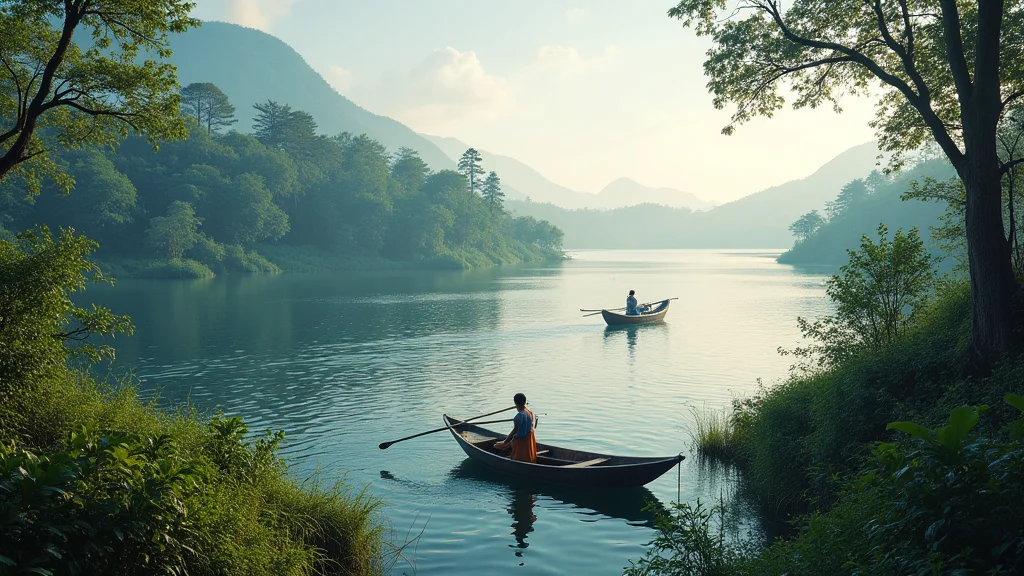
Exploring the Sundarbans typically involves boat trips through its intricate network of rivers and canals. The dense foliage and tidal waters create a surreal and captivating atmosphere.
Biodiversity Hotspot
The Sundarbans is renowned for its incredible biodiversity. It provides a critical habitat for endangered species, most notably the Royal Bengal Tiger. Conservation efforts are vital to protecting this delicate ecosystem.
The forest also supports a wide array of flora, including the Sundari tree, which gives the forest its name. Various types of fish, amphibians, and insects also thrive here, contributing to the forest’s complex food web. Birdwatchers can spot many exotic species, making it a paradise for nature lovers.
The sheer variety of life found within the Sundarbans is astounding. It’s a living laboratory of nature’s resilience and beauty. From the stealthy movements of the tiger to the vibrant colors of kingfishers, every element plays a crucial role.
The interconnectedness of this mangrove forest is a testament to nature’s design.
Exploring the Waterways
The primary way to experience the Sundarbans is by boat. Various types of vessels are available, from small wooden boats to larger tourist ships. Guided tours offer the best experience, as local guides are knowledgeable about the forest and its inhabitants.
They can help spot wildlife and explain the ecological significance of the area. Many tours include opportunities for jungle walks and visits to watch towers for panoramic views.
Sailing through the narrow creeks, with sunlight filtering through the dense canopy, is an unforgettable experience. The sounds of the forest, the gentle lapping of water, and the calls of birds create a unique ambiance. Safety is a priority, and tours are conducted with experienced crews who understand the tides and potential wildlife encounters.
Here’s a typical journey through the Sundarbans:
- Boarding the boat at Khulna or Mongla.
- Cruising through the main rivers and smaller channels.
- Visiting watch towers for wildlife spotting.
- Taking guided jungle walks.
- Observing the unique mangrove ecosystem.
- Enjoying the serene natural beauty.
Conservation Challenges
Despite its natural beauty, the Sundarbans faces significant conservation challenges. Climate change, rising sea levels, illegal logging, and poaching pose threats to its ecosystem. International and local organizations are working to protect this vital natural resource.
Sustainable tourism practices are encouraged to minimize human impact. Awareness campaigns aim to educate both locals and visitors about the importance of conservation.
The tidal nature of the Sundarbans means that its landscape is constantly changing. This dynamic environment requires specific adaptations from its flora and fauna. Protecting these adaptations is key to maintaining the forest’s health.
The delicate balance here is crucial for the well-being of countless species.
Cox’s Bazar The World’s Longest Sea Beach
Cox’s Bazar boasts the longest natural sandy beach in the world, stretching for over 120 kilometers. It’s a prime tourist destination in Bangladesh, attracting visitors with its golden sands and the gentle roar of the Bay of Bengal. The beach offers a vibrant atmosphere with local markets, seafood restaurants, and various recreational activities.
Sunrise and sunset views over the ocean are particularly breathtaking.
Activities and Attractions
Visitors to Cox’s Bazar can enjoy a wide range of activities. Swimming, sunbathing, and beach volleyball are popular. For a more adventurous experience, paragliding and surfing are available.
The beach is also lined with small shops selling local handicrafts and souvenirs. Freshly caught seafood is a highlight, with many restaurants offering delicious grilled fish and prawns. The atmosphere on the beach is lively, especially during peak tourist seasons.
Beyond the main beach, there are other attractions like Himchari National Park, known for its waterfalls and scenic beauty. Inani Beach offers a more secluded experience with its coral stones scattered along the shore. The local fishing communities also offer a glimpse into their daily lives and traditions.
Accommodation Options
Cox’s Bazar offers a diverse range of accommodation to suit all budgets. From luxury resorts overlooking the sea to budget-friendly guesthouses and hotels, there’s something for everyone. Many hotels have private access to the beach and offer excellent amenities.
Booking in advance is recommended, especially during holidays and peak seasons to ensure availability.
The availability of varied lodging options makes Cox’s Bazar accessible to a wide range of travelers. Whether you seek a luxurious escape or a simple, comfortable stay, you will find suitable choices. This ensures that everyone can enjoy the beauty of the longest beach.
Tips for Visiting
When visiting Cox’s Bazar, it’s advisable to respect local customs and dress modestly when away from the beach. Staying hydrated is important, especially during the warmer months. Be mindful of the tides and swimming conditions for safety.
Bargaining is common in local markets, so do so politely. Enjoying the local cuisine is a must-do experience.
The local currency is the Bangladeshi Taka (BDT). While credit cards are accepted in larger hotels and restaurants, carrying some cash is recommended for smaller vendors and markets. Understanding these practical aspects will enhance your visit.
Srimangal The Tea Capital
Srimangal is famous for its lush tea gardens, earning it the nickname “The Tea Capital of Bangladesh.” The rolling hills covered in verdant tea bushes create a picturesque landscape. It’s a haven for nature lovers and those seeking tranquility away from the city bustle. The cool climate and fresh air make it a delightful place to explore.
Tea Garden Tours
Visiting Srimangal is incomplete without exploring its vast tea gardens. Several estates, such as Finlay Tea Garden, Sreepur Tea Garden, and Clissold Tea Garden, offer tours. Visitors can learn about the tea-making process, from plucking the leaves to processing and packaging.
Many gardens have on-site shops where you can buy fresh tea directly from the source. The experience of walking through the manicured rows of tea plants is very calming.
The aroma of tea leaves permeates the air in Srimangal, creating a uniquely refreshing atmosphere. Seeing the workers carefully plucking leaves is a fascinating sight. It offers a direct connection to the production of this popular beverage.
Here are some key aspects of tea garden tours:
- Learning about tea cultivation and harvesting.
- Understanding the processing stages.
- Sampling different varieties of local tea.
- Enjoying the scenic beauty of the gardens.
- Purchasing high-quality tea products.
Lawachara National Park
Adjacent to the tea gardens is Lawachara National Park, a biodiversity hotspot. This national park is home to diverse flora and fauna, including various species of monkeys, birds, and insects. The park’s trails wind through dense tropical rainforest, offering opportunities for nature walks and birdwatching.
The Hoolock Gibbon, Bangladesh’s only ape species, can sometimes be spotted here.
The well-maintained trails make it accessible for most visitors. The park’s ecosystem is a vital part of the region’s natural heritage. It provides a sanctuary for numerous plant and animal species.
Guided walks are available to enhance the experience and identify local wildlife.
Unique Experiences
Srimangal offers unique experiences like the “Seven Layer Tea” at a local stall, which is a visually appealing and delicious layered tea drink. The region is also known for its lemon gardens and rubber plantations, offering further exploration opportunities. Visiting the tribal villages in the area provides insight into the local culture and traditions.
The overall atmosphere is peaceful and rejuvenating.
The tranquility of Srimangal makes it an ideal destination for relaxation and nature immersion. It’s a place where one can truly connect with the natural world and experience the simple pleasures of life.
Rangamati The City of Lakes
Rangamati, located in the Chittagong Hill Tracts, is often called the “City of Lakes.” It’s characterized by its stunning natural beauty, with hills, lakes, and diverse indigenous communities. The Kaptai Lake, a vast man-made reservoir, is a central feature, offering serene boat rides and breathtaking views. The indigenous cultures of the Chakma, Marma, and Tripura people add a rich cultural dimension.
Kaptai Lake and Boat Rides
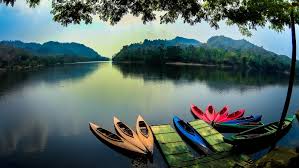
Kaptai Lake is the heart of Rangamati. Its expansive blue waters dotted with green hills create a mesmerizing panorama. Boat trips on the lake are a must-do activity.
You can hire a boat to explore the lake, visit floating markets, and enjoy the peaceful scenery. The sunset over Kaptai Lake is particularly spectacular, painting the sky in vibrant hues.
The tranquility of the lake offers a perfect escape from everyday life. The gentle movement of the boat and the vastness of the water create a sense of peace. It’s an opportunity to appreciate the natural beauty of the region.
Indigenous Cultures and Villages
Rangamati is home to several indigenous ethnic groups, each with its own unique traditions, languages, and customs. Visiting local villages allows visitors to interact with the indigenous people and learn about their way of life. You can witness traditional crafts, music, and dances.
The Chakma, Marma, and Tripura communities have distinct cultural practices that are fascinating to observe respectfully.
The diversity of cultures in Rangamati is a significant part of its appeal. It offers a valuable opportunity for cultural exchange and learning. Respectful engagement is key to appreciating these vibrant communities.
Key Attractions
Besides Kaptai Lake, Rangamati has other attractions. The Tribal Cultural Institute Museum showcases the history and culture of the hill tribes. Shuvolong waterfalls offer a scenic spot to relax and enjoy nature, especially during the rainy season.
Peda Ting Ting Island and Rajbana Vihar Monastery are also popular spots for their natural beauty and spiritual significance.
These diverse sites contribute to Rangamati’s reputation as a multifaceted travel destination. Each offers a different perspective on the region’s charm and appeal.
Here’s a look at Rangamati’s key sites:
- Kaptai Lake
- Shuvolong Waterfalls
- Tribal Cultural Institute Museum
- Rajbana Vihar Monastery
- Peda Ting Ting Island
Paharpur Buddhist Monastery A Historical Gem
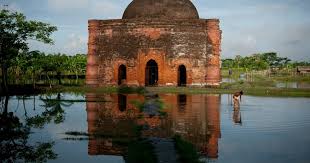
Paharpur hosts the Somapura Mahavihara, one of the most important archaeological sites in Bangladesh and a UNESCO World Heritage site. This ancient Buddhist monastery dates back to the 8th century and was a renowned center of Buddhist learning. Its vast ruins offer a glimpse into the architectural grandeur and religious significance of the past.
Architectural Significance
The Somapura Mahavihara is an architectural marvel of its time. It features a large, cruciform temple at the center surrounded by monastic cells. The intricate terracotta plaques adorning the exterior walls depict scenes from Buddhist mythology and daily life.
The sheer scale and design of the monastery indicate its importance as a major religious and educational institution.
The site’s preservation allows us to appreciate the craftsmanship and engineering skills of ancient civilizations. It stands as a testament to the rich history of Buddhism in the region. Studying its layout provides insights into monastic living during that era.
Archaeological Discoveries
Excavations at Paharpur have unearthed numerous artifacts, including sculptures, coins, and pottery. These discoveries have helped historians piece together the history of the monastery and the surrounding region. The site provides invaluable information about the Pala Empire and the spread of Buddhism in South Asia.
It is a critical location for understanding the region’s ancient past.
The ongoing research at Paharpur continues to reveal more about its historical context. Each artifact tells a story, contributing to our knowledge of ancient societies and their beliefs. This makes Paharpur a vital site for both scholars and history enthusiasts.
Here are some key facts about Paharpur:
- UNESCO World Heritage Site.
- One of the largest Buddhist monasteries south of the Himalayas.
- Dates back to the 8th century.
- Features intricate terracotta artwork.
- Important center for Buddhist studies.
St Martin’s Island Tropical Paradise
St Martin’s Island is the only coral island in Bangladesh, located in the northeastern part of the Bay of Bengal. It’s a tropical paradise renowned for its clear turquoise waters, white sandy beaches, and vibrant coral reefs. The island offers a serene escape with a relaxed atmosphere and stunning natural beauty, making it a perfect destination for a getaway.
Marine Life and Coral Reefs
The island is surrounded by rich marine life and diverse coral formations. Snorkeling and diving are popular activities for exploring the underwater world. You can witness various colorful fish, sea turtles, and other marine creatures.
The coral reefs are a vital part of the island’s ecosystem and contribute to its unique charm. Conservation efforts are underway to protect these delicate marine habitats.
The underwater biodiversity of St Martin’s Island is a major draw for nature enthusiasts. The clear waters provide excellent visibility for observing the vibrant marine life. It’s a glimpse into a thriving underwater world.
Island Activities and Relaxation
Visitors can enjoy leisurely walks along the beach, swim in the calm waters, and watch breathtaking sunrises and sunsets. There are also opportunities to rent bicycles to explore the island. The island’s small size makes it easy to navigate on foot or by bicycle.
Enjoying fresh seafood, particularly crab and fish, is a highlight of any visit. The laid-back island vibe encourages relaxation and unwinding.
The simplicity of life on St Martin’s Island is part of its allure. It’s a place to disconnect from the digital world and reconnect with nature. The sound of waves and the gentle sea breeze create a perfect setting for rejuvenation.
Consider these tips for visiting St Martin’s Island:
- Travel by ship from Cox’s Bazar or Teknaf.
- Book accommodation in advance, especially during peak season.
- Respect the island’s fragile ecosystem and avoid littering.
- Try local seafood specialties.
- Enjoy the peaceful island ambiance.
Common Myths Debunked
Myth 1 Bangladesh is only about cities and traffic
Reality: While Bangladesh has bustling cities, it is also home to incredibly diverse natural landscapes. From the world’s longest beach to vast mangrove forests and serene tea gardens, its natural beauty is immense and varied. Many areas offer peaceful retreats and stunning scenery far removed from urban life.
Myth 2 Traveling in Bangladesh is unsafe for tourists
Reality: Bangladesh is generally a safe country for tourists. Like any travel destination, it’s wise to exercise caution and be aware of your surroundings. However, locals are known for their hospitality, and the vast majority of visitor experiences are positive and trouble-free.
Many travelers find the people incredibly welcoming and helpful.
Myth 3 Beautiful places in Bangladesh are hard to access
Reality: While some remote locations require more effort to reach, many of Bangladesh’s most beautiful places are quite accessible. Major destinations like Cox’s Bazar and Srimangal have good transportation links. With a little planning, even more secluded spots can be visited.
Myth 4 There are no unique cultural experiences in Bangladesh
Reality: Bangladesh is rich in cultural diversity. From vibrant festivals and traditional music to ancient archaeological sites and the distinct customs of its indigenous communities, there are countless unique cultural experiences to be had.
Frequently Asked Questions
Question: What is the best time to visit beautiful places in Bangladesh
Answer: The best time to visit most beautiful places in Bangladesh is during the winter months, from October to March. The weather is pleasant and mild, making it ideal for sightseeing and outdoor activities. Avoid the monsoon season from June to September due to heavy rainfall.
Question: What kind of clothing should I pack for Bangladesh
Answer: Lightweight, breathable clothing is recommended due to the tropical climate. Pack cotton clothes, long-sleeved shirts, and long pants to protect yourself from the sun and insects. For visiting religious sites, modest attire covering shoulders and knees is necessary.
Question: Is English widely spoken in Bangladesh
Answer: English is spoken in major tourist areas, hotels, and by some tour guides. However, in smaller towns and rural areas, communication might be more challenging. Learning a few basic Bengali phrases can be very helpful and appreciated by locals.
Question: What are the main transportation options within Bangladesh
Answer: Common transportation options include buses, trains, and domestic flights for longer distances. For local travel, auto-rickshaws and cycle-rickshaws are popular. Boat travel is also a significant mode of transport, especially in riverine areas.
Question: Are there any visa requirements for Bangladesh
Answer: Visa requirements vary depending on your nationality. Many countries can obtain a visa on arrival, but it is always best to check the latest regulations with the Bangladesh embassy or consulate in your country before traveling.
Conclusion
Bangladesh offers a spectacular array of natural wonders and cultural treasures. From the coastal beauty of Cox’s Bazar to the lush tea gardens of Srimangal and the mystical Sundarbans, its beauty is diverse. Exploring these destinations reveals the country’s rich heritage and unique landscapes.
Your adventure awaits in these breathtaking locations.