Planning a trip can sometimes feel like a puzzle, especially when you’re looking for a good Cox’s Bazar travel guide. It’s easy to get lost in too much information or worry about missing something important. This guide is here to make things simple.
We will walk through everything step by step, so you feel ready and excited for your visit. Get ready to discover what makes Cox’s Bazar so special.
Key Takeaways
- You will learn how to get to Cox’s Bazar easily.
- Find out the best places to stay for any budget.
- Discover the most popular things to see and do.
- Get tips on enjoying the local food and culture.
- Understand how to travel around safely and affordably.
- Learn about the best times to visit for perfect weather.
Planning Your Cox’s Bazar Trip
Cox’s Bazar is a stunning coastal city in Bangladesh, famous for having the world’s longest natural sea beach. Many people dream of visiting this beautiful place, but figuring out the best way to plan can seem a bit much. This section helps you start right, covering the basics so you can build your perfect vacation easily.
Getting To Cox’s Bazar
Reaching Cox’s Bazar is usually done by air or by bus. The closest airport is Cox’s Bazar Airport (CXB), which has regular flights from Dhaka, the capital city. Flying is the fastest way to get there, taking about 45 minutes.
If you prefer a more budget-friendly option, buses are available from major cities like Dhaka, Chittagong, and Sylhet. Bus journeys can take longer, often 8 to 10 hours from Dhaka, depending on traffic and road conditions. Booking your tickets in advance is a good idea, especially during peak seasons.
There are different types of buses to choose from, from standard to VIP services that offer more comfort. If you are coming from Chittagong, the journey is shorter, usually around 4 to 5 hours. Train services are also available, offering a scenic route, though they might not be as frequent as bus services.
Checking schedules and booking in advance can save you time and hassle.
Best Times to Visit
The best time to visit Cox’s Bazar is generally between November and March. This period offers pleasant weather with lower humidity and cooler temperatures, perfect for beach activities. The monsoon season, from June to October, brings heavy rainfall, which can disrupt travel plans and limit outdoor activities.
However, the rainy season also makes the surrounding greenery lush and beautiful, attracting fewer tourists and offering a different kind of charm.
The shoulder seasons, like October and April, can also be good times to visit. You might find fewer crowds and potentially lower prices for accommodation. Weather in these months is usually mild.
It is important to check the weather forecast closer to your travel dates, as conditions can sometimes be unpredictable.
Visa and Entry Requirements
For international travelers, visa requirements depend on your nationality. Most foreign nationals will need a visa to enter Bangladesh. You can usually apply for a visa at a Bangladeshi embassy or consulate in your home country before you travel.
Some nationalities can obtain a visa on arrival, but it is always best to confirm this beforehand. Ensure your passport is valid for at least six months beyond your stay.
If you are a citizen of India, you may have different entry requirements. It is advisable to check the latest regulations on the official website of the Ministry of Foreign Affairs of Bangladesh or the Bangladeshi High Commission in your country. Having all your travel documents in order, including your passport, visa, and any other required permits, will ensure a smooth entry into Bangladesh.
Accommodation Options
Cox’s Bazar offers a wide range of places to stay, catering to every budget and preference. From luxurious beachfront resorts to cozy guesthouses and budget-friendly hostels, you can find the perfect spot for your visit. Booking your accommodation in advance is recommended, especially if you are traveling during the peak tourist season.
Luxury Hotels and Resorts
For those seeking comfort and high-end amenities, Cox’s Bazar boasts several world-class hotels and resorts. Many of these properties are located right on the beach, offering stunning ocean views and direct access to the sand. You can expect services like swimming pools, fine dining restaurants, spas, and excellent customer care.
Some of the popular luxury options include The Cox’s Bazar Beach Resort, Ocean Paradise Hotel & Resort, and Sayeman Beach Resort. These places often have private beaches or exclusive areas for their guests.
These resorts are ideal for honeymooners, families on a special vacation, or business travelers who want to relax after work. They provide a peaceful retreat from the bustling beach crowds. The amenities often include well-appointed rooms, air conditioning, Wi-Fi, and room service.
Many also arrange tours and activities for their guests, making your stay hassle-free.
Mid-Range Hotels and Guesthouses
If you are looking for a balance between comfort and cost, the mid-range hotels and guesthouses are a great choice. These accommodations typically offer clean and comfortable rooms with essential amenities like air conditioning, private bathrooms, and Wi-Fi. They are often located near the beach or in easily accessible areas of the town.
Examples of good mid-range options include Hotel Sea Crown, Hotel Cox’s Today, and Long Beach Hotel. These places provide good value for money, with friendly staff and decent facilities. They are suitable for families, couples, and solo travelers who want a comfortable stay without breaking the bank.
Many of these hotels also have on-site restaurants serving local and international cuisine.
Budget-Friendly Stays
For travelers on a tight budget, Cox’s Bazar has numerous guesthouses and smaller hotels that offer affordable rates. These accommodations might be more basic in terms of facilities but are clean and safe. They are often located a little further from the main beach areas, but still accessible by local transport.
Hostels are also becoming more popular, offering dormitory-style rooms or private rooms at very low prices. This is a great way to meet other travelers. Searching online travel platforms can help you find these hidden gems.
Even on a budget, you can find a comfortable place to rest and recharge after a day of exploring the beach.
Exploring Cox’s Bazar Attractions
Cox’s Bazar is not just about its famous beach; it offers a variety of attractions and activities that will keep you engaged throughout your visit. From natural wonders to cultural experiences, there is something for everyone to enjoy. Planning your activities can help you make the most of your time here.
The Famous Cox’s Bazar Beach
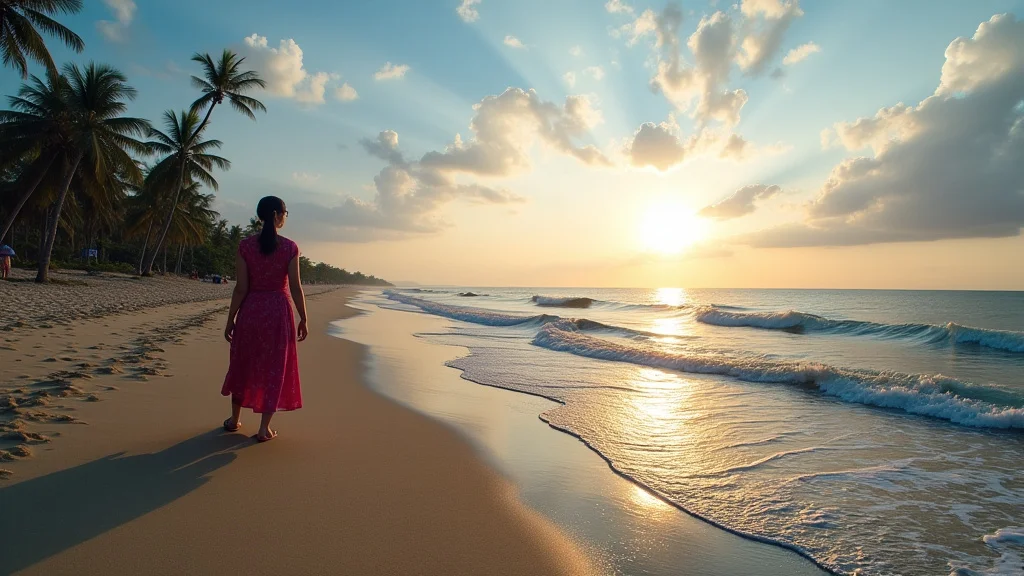
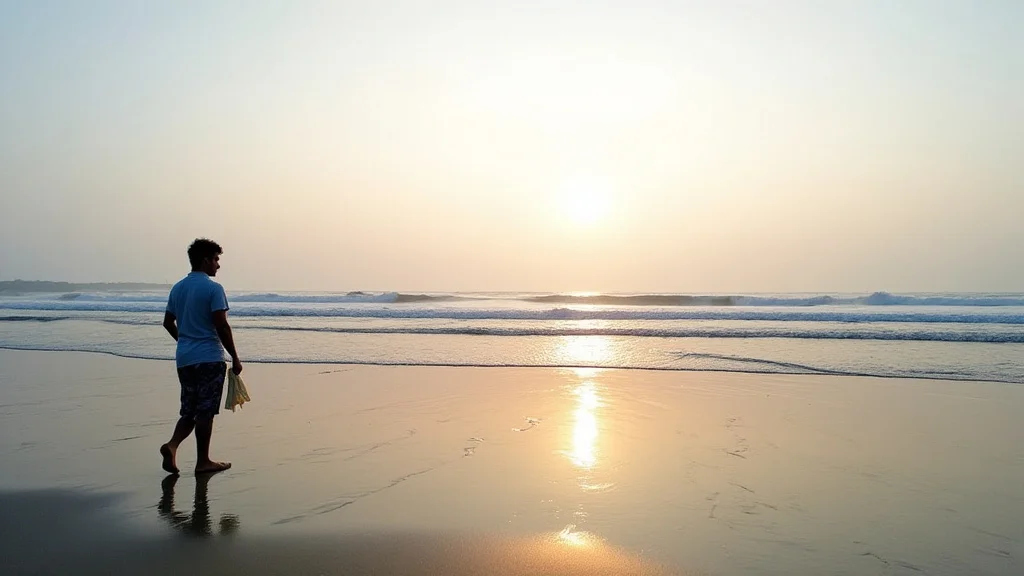
The main draw is, of course, the stunning Cox’s Bazar beach itself. Stretching for over 120 kilometers, it is known as the longest natural sea beach in the world. The golden sands, gentle waves, and breathtaking sunsets make it a paradise for beach lovers.
You can relax on the sand, swim in the Bay of Bengal, or take a long walk along the shoreline. The beach is divided into different sections, with Laboni Point being the most popular and easily accessible. Suvadra Beach offers a quieter experience, while Himchari and Inani beaches are known for their natural beauty and rocky shores.
At Laboni Point, you will find numerous stalls selling local handicrafts, snacks, and souvenirs. The beach is also lined with seafood restaurants where you can enjoy freshly caught fish. For a unique experience, you can hire a local fisherman to take you out on a boat ride.
Watching the sunrise or sunset from the beach is a must-do activity, painting the sky with vibrant colors. The sheer expanse of the beach allows for both bustling activity and quiet contemplation.
Himchari National Park
Just south of Cox’s Bazar town lies Himchari National Park, a beautiful hilly area known for its waterfalls and diverse wildlife. A scenic drive along the Marine Drive road will take you to this natural sanctuary. The park offers trekking opportunities and viewpoints that provide panoramic vistas of the coastline and the Bay of Bengal.
The most famous attraction here is the ‘Broken Hills’ area and the waterfall that flows down the hills, especially during the monsoon season.
The park is home to various species of deer, monkeys, and a wide array of birds, making it a delight for nature enthusiasts. You can also find interesting plant species within the park. It’s a great place to escape the beach crowds and immerse yourself in nature.
Remember to wear comfortable shoes if you plan to explore the park on foot.
Inani Beach
Further south from Himchari is Inani Beach, famous for its pristine beauty and rocky landscape. Unlike the sandy beaches, Inani features large boulders and coral stones scattered along the shore, creating a unique and picturesque setting. The water here is also clearer, and the beach is generally less crowded, offering a more tranquil experience.
It is a perfect spot for photography and for enjoying a peaceful day by the sea.
Many tourists visit Inani Beach after exploring Himchari. The drive along the coast is incredibly scenic, with the hills on one side and the sea on the other. You can find local vendors selling fresh coconut water and snacks.
The natural rock formations make for interesting explorations, and the sound of the waves crashing against them is very soothing. It offers a different perspective on the coastal beauty of Cox’s Bazar.
Bangabandhu Safari Park
Located about 100 kilometers north of Cox’s Bazar, the Bangabandhu Safari Park is a large conservation area where you can see various animals in a semi-natural habitat. It’s a great destination for families and animal lovers. The park is spread over a vast area and is divided into different zones, including a core area and a buffer zone.
You can explore the park by car or by availing the park’s own safari vehicles. The aim is to protect endangered species and provide them with a natural environment.
The park houses a variety of animals such as tigers, lions, deer, bears, and numerous bird species. Visitors can observe these animals from a safe distance, getting a chance to witness their behavior in a more natural setting than a traditional zoo. It’s a significant conservation effort and a popular tourist spot for those interested in wildlife.
Plan for a full day to explore the park thoroughly.
Local Cuisine and Dining
Experiencing the local food is a vital part of any travel adventure, and Cox’s Bazar offers a delicious array of culinary delights, with a strong emphasis on fresh seafood. From street food to fine dining, your taste buds are in for a treat.
Seafood Delights
Being a coastal town, Cox’s Bazar is renowned for its incredibly fresh seafood. You can find an abundance of fish, prawns, lobsters, and crabs, often caught the same day. Many restaurants along the beach, especially near Laboni Point, specialize in serving these delicacies.
You can often choose your fish from the display and have it cooked to your preference, whether grilled, fried, or in a curry.
A popular dish to try is the grilled sea bass or pomfret, seasoned with local spices. Prawn curry and chili crab are also highly recommended. The taste of the freshly caught seafood, combined with the ocean breeze, makes for an unforgettable dining experience.
Don’t miss out on trying the local preparations that use fresh ginger, garlic, turmeric, and chili.
Traditional Bengali Dishes
Beyond seafood, Cox’s Bazar offers a taste of traditional Bengali cuisine. Rice is the staple food, accompanied by various vegetable curries (bhaji), lentil soup (dal), and meat dishes like chicken or beef curry. You should also try ‘shutki’, which is dried fish, a specialty in the region, often prepared with strong spices.
For dessert, Bengali sweets like ‘rasgulla’ and ‘mishti doi’ (sweet yogurt) are a must-try.
You can find these dishes at most local restaurants and hotels. Exploring the local markets can also lead you to smaller eateries offering authentic home-style Bengali food. Trying ‘biryani’, a flavored rice dish cooked with meat and spices, is also highly recommended.
Street Food Experiences
For a more casual and authentic experience, explore the street food options. You’ll find vendors selling various snacks like ‘fuchka’ (pani puri), ‘jhalmuri’ (spicy puffed rice), and fried snacks. These are delicious and very affordable ways to taste local flavors.
Remember to choose vendors that appear clean and hygienic.
Street food is a great way to mingle with locals and experience the vibrant street life. Be adventurous and try different items. Many vendors also sell fresh fruit juices and coconut water, perfect for refreshing yourself on a warm day.
Practical Travel Tips
To ensure a smooth and enjoyable trip to Cox’s Bazar, a few practical tips can make a big difference. Knowing what to expect and how to prepare will help you make the most of your visit.
Currency and Payment
The local currency in Bangladesh is the Bangladeshi Taka (BDT). While credit cards are accepted in larger hotels and some high-end restaurants, it is advisable to carry enough cash, especially for smaller establishments, local markets, and transportation. ATMs are available in Cox’s Bazar town, but they can sometimes run out of cash, so it’s good to have a backup.
Exchange rates are generally favorable for foreign currencies. You can exchange money at authorized exchange houses or banks. Always keep small denominations of Taka handy for daily expenses.
Haggling is common in markets, so be prepared to negotiate prices politely.
Transportation Within Cox’s Bazar
Getting around Cox’s Bazar is relatively easy and affordable. Local transport options include auto-rickshaws, cycle-rickshaws, and local buses. Auto-rickshaws are the most common and convenient for traveling within the town and to nearby beaches.
Always agree on the fare with the driver before starting your journey, or ensure they use the meter if available.
For longer distances, such as visiting Himchari or Inani Beach, you can hire a private car with a driver. This offers more comfort and flexibility. Local buses are the cheapest option for getting between different parts of the town or to nearby villages, but they can be crowded.
Many hotels also offer transportation services or can arrange taxis for you.
Safety and Health Precautions
Cox’s Bazar is generally a safe tourist destination, but it’s always wise to take standard safety precautions. Be aware of your surroundings, especially in crowded areas, and keep your valuables secure. Avoid walking alone on deserted beaches late at night.
If you plan to swim, be mindful of the currents and the tides. It’s a good idea to listen to local advice regarding swimming safety.
For health, drink only bottled or purified water to avoid stomach issues. Be cautious with street food and ensure it is freshly prepared and served hot. It’s also advisable to carry a basic first-aid kit with you.
If you have any pre-existing medical conditions, consult your doctor before your trip and carry any necessary medications. Sunscreen, hats, and sunglasses are essential for protecting yourself from the strong sun.
Understanding Local Culture
To fully appreciate your visit to Cox’s Bazar, understanding the local culture and customs will enhance your experience. Bangladesh is a predominantly Muslim country, and showing respect for local traditions is important.
Respectful Behavior
When visiting religious sites or interacting with locals, dress modestly. This means covering your shoulders and knees. While tourist areas are generally more relaxed, it’s always good practice.
During prayer times, you might observe a pause in daily activities, which is a significant part of local life. Being patient and understanding is appreciated.
It is polite to ask for permission before taking photographs of people, especially women. A smile and a few words of greeting can go a long way in building positive interactions. Learning a few basic Bengali phrases like “Assalamu Alaikum” (peace be upon you, a common greeting) and “Dhonnobad” (thank you) can be very helpful and appreciated by the locals.
Local Etiquette
When dining, it is customary to eat with your right hand. If you are invited to someone’s home, it’s a gesture of respect to bring a small gift, such as sweets or fruit. Shoes should be removed before entering a home or a mosque.
Punctuality is generally not as strict as in Western cultures, but being on time for appointments is still a good idea.
Public displays of affection are generally not common or encouraged. While handshakes are acceptable between men, it is best to wait for a woman to extend her hand first. Understanding these nuances will help you navigate social interactions smoothly and respectfully, fostering a more meaningful connection with the local community.
Common Myths Debunked
Myth 1: Cox’s Bazar is only about the beach.
While the beach is its most famous attraction, Cox’s Bazar offers much more. You can explore national parks like Himchari, visit Buddhist temples, enjoy local markets, and experience the vibrant culture. There are also opportunities for boat trips and exploring nearby islands.
The region boasts diverse natural beauty beyond the sand.
Myth 2: It’s difficult to find good food.
Cox’s Bazar is a culinary delight, especially for seafood lovers. With numerous restaurants and street food vendors, you can enjoy incredibly fresh fish, prawns, and crabs prepared in various delicious ways. From traditional Bengali dishes to international options, there are plenty of choices for every palate and budget.
Myth 3: Travel within Cox’s Bazar is expensive.
Getting around Cox’s Bazar is quite affordable. Auto-rickshaws and cycle-rickshaws are readily available and inexpensive for local travel. For longer trips, hiring a car might be more costly, but it offers flexibility.
Local buses are also an option for budget travelers. Overall, transportation costs are reasonable.
Myth 4: You need to book everything far in advance.
While booking accommodation and flights ahead is wise, especially during peak season, last-minute travel is still possible. Many hotels have rooms available, and local transport is usually accessible. However, for the best prices and availability, especially for popular resorts, booking in advance is always a good idea.
Frequently Asked Questions
Question: What is the best way to get from Dhaka to Cox’s Bazar?
Answer: The fastest way is to fly from Dhaka to Cox’s Bazar Airport. Buses are also a popular and more affordable option, though the journey takes longer.
Question: Is Cox’s Bazar safe for solo female travelers?
Answer: Cox’s Bazar is generally safe, but like any tourist destination, solo female travelers should exercise caution. Stick to well-lit areas, avoid walking alone at night, and be aware of your surroundings.
Question: What currency is used in Cox’s Bazar?
Answer: The currency used is the Bangladeshi Taka (BDT). It is advisable to carry some cash, as not all places accept credit cards.
Question: What are the main things to do in Cox’s Bazar besides the beach?
Answer: You can visit Himchari National Park, Inani Beach with its rocky shores, Bangabandhu Safari Park, and explore local markets for handicrafts and food.
Question: When is the best time of year to visit Cox’s Bazar?
Answer: The best time to visit is from November to March when the weather is pleasant with less humidity and moderate temperatures.
Summary
Your Cox’s Bazar travel guide is now complete. You have learned about reaching this beautiful coastal city, finding great places to stay for any budget, and exploring its famous beaches and nearby attractions. We covered delicious local food options and practical tips for safe and easy travel.
Respecting local customs will make your visit even more rewarding. Enjoy your trip!