Planning a trip to Bisnakandi can feel a bit tricky at first. Many people wonder about the best way to get there, what to pack, and how to make the most of their visit. Don’t worry if this sounds like you!
We’re going to break down everything you need to know for a fantastic trip. This guide will show you step by step how to have an amazing time, covering all the essentials of a great Bisnakandi travel guide.
Key Takeaways
- Discover the most scenic routes to Bisnakandi.
- Learn essential packing tips for a comfortable trip.
- Understand the best times to visit for perfect weather.
- Find out about local customs and etiquette.
- Get advice on local food and lodging options.
- Learn how to capture stunning photos of Bisnakandi.
Getting To Bisnakandi
Reaching Bisnakandi involves a few steps, but it’s quite manageable. The most common way to start is by flying into Osmani International Airport in Sylhet. From Sylhet city, the adventure truly begins.
You’ll then need to find transportation to Bisnakandi itself. This usually involves taking a taxi or a local CNG auto-rickshaw to a specific boarding point for boats.
The journey from Sylhet to Bisnakandi is part of the experience. You’ll travel through charming rural landscapes. The final leg of the journey is typically by boat across the river.
This boat ride offers beautiful views and a sense of anticipation for what awaits you at Bisnakandi.
By Air to Sylhet
Sylhet is well-connected by air to major cities in Bangladesh, including Dhaka. Several airlines operate regular flights. Booking your flight in advance is a good idea, especially during peak tourist seasons.
The airport is relatively small, making arrivals and departures quite smooth.
Upon landing, you can find pre-paid taxis or negotiate fares with local drivers. Most drivers are familiar with tourist destinations around Sylhet, so just mentioning Bisnakandi should be enough. It’s helpful to have the name written down in Bengali script to show the driver.
From Sylhet to the Boat Landing
Once you’re in Sylhet city, you have options to reach the boat launching point for Bisnakandi. Popular starting points include the Shahjalal Bridge area or Hadarpar. You can hire a private car, a CNG auto-rickshaw, or even a local bus.
Each has its pros and cons regarding cost and convenience.
A CNG auto-rickshaw is a popular choice for its affordability and ability to navigate through smaller roads. The ride can take about 45 minutes to an hour, depending on traffic. It’s a great way to see the local life and scenery unfolding as you get closer to your destination.
Hiring a Boat
The boat trip is essential for reaching the main attraction. You will need to hire a boat from the designated landing points. Boatmen usually wait for passengers there.
Prices can vary based on the size of the boat and the duration of the trip. It’s best to agree on the price and duration before setting off.
Boats are the primary mode of transport to navigate the river and reach the rocky riverbed of Bisnakandi. The boats are usually local wooden boats, sturdy enough for the river. Ensure your boatman is experienced and knows the route well.
Sample Scenario One: Budget Traveler
- Fly into Sylhet.
- Take a local bus from Sylhet city to Hadarpar.
- Hire a shared boat from Hadarpar to Bisnakandi.
- Return by local bus.
This scenario focuses on using public transport and shared resources to keep costs low. It might take a bit longer but offers a more local experience. You’ll interact with more people and see more of the everyday life along the way.
Sample Scenario Two: Comfortable Traveler
- Fly into Sylhet.
- Hire a private car or CNG auto-rickshaw from Sylhet to Shahjalal Bridge area.
- Rent a private boat for a direct trip to Bisnakandi and back.
- Return to your hotel in Sylhet by the same private car/CNG.
This option prioritizes convenience and speed. You have more control over your schedule and can stop at points of interest along the river. It’s ideal if you have limited time or prefer a more relaxed travel experience.
When To Visit Bisnakandi
Choosing the right time to visit Bisnakandi significantly impacts your experience. The weather plays a crucial role in enjoying the natural beauty of this place. Generally, the best time to go is during the cooler, drier months when the river levels are moderate and the skies are clear.
Avoiding the peak monsoon season is advisable if you prefer comfortable exploration. However, the river’s grandeur is also at its peak during the rainy season, offering a different kind of beauty. It’s a balance between accessibility and scenic splendor.
Best Seasons for Travel
The ideal period for a Bisnakandi travel guide experience is from October to March. During these months, the weather is pleasant, with lower humidity and comfortable temperatures. This makes exploring the river and the surrounding areas much more enjoyable.
The post-monsoon period, specifically October and November, is particularly beautiful. The landscape is lush and green, and the water levels are still substantial, making boat rides scenic. The skies are often clear, offering great visibility for photography.
Winter Months October to March
These months are characterized by mild temperatures, typically ranging from 15°C to 25°C (59°F to 77°F). This is perfect for outdoor activities. You can spend hours exploring the riverbed, taking photos, and simply enjoying the natural surroundings without feeling too hot or cold.
This is also when Bisnakandi is most accessible. The paths leading to the boat landing points are less likely to be waterlogged, and the river conditions are generally calmer. Tourist crowds are also more manageable compared to the absolute peak season.
Monsoon Season Considerations
From June to September, Bisnakandi experiences heavy rainfall. This can make the journey more challenging due to potential floods and rough river conditions. However, this season also brings dramatic landscapes and a fuller, more powerful river.
If you visit during the monsoon, be prepared for wet weather and possible disruptions. The water levels will be high, and the river can appear more turbulent. This can be visually stunning but also poses safety risks.
Always check local weather forecasts and conditions before you travel.
Pros and Cons of Monsoon Travel
- Pros: Lush greenery, powerful river views, fewer crowds.
- Cons: Potential for heavy rain, difficult travel conditions, safety concerns.
The lush green scenery during monsoon is unmatched. The surrounding hills are vibrant, and the waterfalls are at their fullest. However, the constant rain can limit your outdoor time and make walking around the rocky areas slippery and hazardous.
Always prioritize safety during this season.
What To Pack
Packing smart is key to enjoying your Bisnakandi travel guide adventure without any hitches. Since you’ll be spending time outdoors and near water, bringing the right items will make your trip much more comfortable and enjoyable. Think practical and lightweight!
The essentials include comfortable clothing, sun protection, and items to keep you dry. You’ll be walking on uneven terrain, so footwear is also very important. Here’s a guide to help you pack effectively.
Clothing Essentials
Opt for lightweight, quick-drying fabrics. Cotton is generally not ideal as it stays wet for a long time. Consider breathable materials that can handle humidity.
Pack layers so you can adjust to changing temperatures throughout the day.
For women, modest clothing is appreciated, covering shoulders and knees. For men, comfortable shorts and t-shirts are suitable. If you plan to swim or get wet, pack an extra set of clothes.
Also, consider bringing a light jacket or shawl for cooler evenings.
Footwear Recommendations
- Waterproof sandals or sturdy flip-flops for the boat rides and wet areas.
- Comfortable walking shoes or hiking boots if you plan to explore the rocky riverbed extensively.
- A pair of dry shoes to change into after getting wet.
The rocky terrain can be slippery, especially after rain. Good grip on your footwear is essential to prevent slips and falls. Ensure your shoes are comfortable enough for walking over uneven surfaces for extended periods.
Sun Protection and Health Items
The sun can be quite strong, even on cloudy days. Protecting your skin is vital. Sunscreen with a high SPF is a must.
Don’t forget a wide-brimmed hat or a cap to shield your face and neck.
Carry a basic first-aid kit with essentials like band-aids, antiseptic wipes, pain relievers, and any personal medications. Insect repellent is also a good idea, especially for the evenings. Staying hydrated is also important, so consider carrying a reusable water bottle.
Key Items to Bring
- High SPF sunscreen
- Wide-brimmed hat or cap
- Sunglasses
- Insect repellent
- Personal medications
- Basic first-aid kit
These items are crucial for a comfortable and safe trip. Being prepared for sun exposure and minor injuries will allow you to focus on enjoying the stunning scenery and experiences Bisnakandi has to offer. Always carry these in your day bag.
Electronics and Accessories
If you plan to take photos, ensure your camera or smartphone is fully charged. Power banks are highly recommended as charging facilities may be limited. Waterproof cases or bags for your electronics are a wise investment to protect them from water and humidity.
A reusable water bottle is not only eco-friendly but also ensures you stay hydrated. Binoculars can enhance your wildlife viewing experience if you are interested in that aspect of the local environment. A small backpack or day bag is essential for carrying your essentials.
Exploring Bisnakandi
Bisnakandi is a place of remarkable natural beauty. It’s known for its stunning riverbed, clear waters, and the surrounding green hills. The main attraction is the Khasiya border area where the Kynshi river flows from India into Bangladesh, creating a breathtaking landscape.
The experience is about immersing yourself in nature. You can walk along the riverbed, feel the cool water, and admire the unique rock formations. The journey itself, especially the boat ride, is an integral part of the exploration.
The Rocky Riverbed
The vast expanse of smooth, gray stones forming the riverbed is Bisnakandi’s most striking feature. During the dry season, you can walk across large parts of it. The contrast between the colorful stones, clear water, and vibrant green hills is a photographer’s dream.
Be mindful of the terrain. The rocks can be slippery, especially near the water’s edge. Always watch your step.
The sheer scale of the riverbed is impressive, offering plenty of space to explore and find a quiet spot to relax.
Activities on the Riverbed
- Walking and exploring the unique rock formations.
- Collecting smooth, colorful stones.
- Taking photographs of the scenic landscape.
- Relaxing by the river and enjoying the peaceful atmosphere.
These activities are simple yet deeply satisfying. The natural beauty of Bisnakandi encourages a slower pace of exploration. It’s a chance to connect with nature and appreciate the simple wonders around you.
Enjoy the fresh air and the soothing sounds of the river.
The Kynshi River
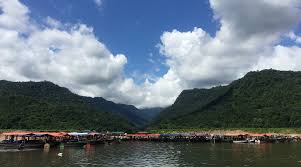
The Kynshi River is the heart of Bisnakandi. Its clear, flowing water is a major draw. You can often see small boats crossing the river, adding to the picturesque scene.
The river’s depth varies depending on the season.
During certain times of the year, the river becomes a hub for local activity, with boats transporting goods and people. The surrounding landscape, with its rolling hills and occasional waterfalls, provides a stunning backdrop to the river.
River Safety and Etiquette
- Always listen to your boatman’s instructions.
- Do not venture too far into deep water if you are not a strong swimmer.
- Respect the local environment and avoid littering.
- Be mindful of the border area with India; do not cross without proper authorization.
Safety is paramount when you are near or on the river. The currents can be strong, and the riverbed can be uneven. Following these guidelines ensures a safe and enjoyable experience for everyone.
Respecting the environment also helps preserve its beauty for future visitors.
Local Culture and People
The areas around Bisnakandi are inhabited by local communities, including the Khasi people in some adjacent regions. They are known for their unique culture and traditions. Interacting with locals can enrich your travel experience.
Be respectful of their customs and way of life. A simple smile and a polite greeting go a long way. Supporting local vendors by purchasing handicrafts or local produce can be a great way to contribute to the community.
Bisnakandi Travel Guide Food and Lodging
While Bisnakandi is primarily a day-trip destination, there are food and lodging options in nearby Sylhet that cater to travelers. For those looking to extend their stay, Sylhet offers a range of choices to suit different budgets and preferences.
Exploring local cuisine is a vital part of any travel experience. Sylhet is known for its unique flavors and dishes, often influenced by its proximity to India and its rich cultural heritage.
Local Cuisine to Try
Sylhet cuisine is famous for its use of spices and aromatic ingredients. Don’t miss trying the local Sylheti biryani, which has a distinct flavor profile. Another must-try is the Shatkora curry, a tangy and aromatic dish made with a special citrus fruit found in the region.
Street food is also a popular option. You can find various snacks and sweets that are unique to the region. Trying local tea, grown in the many tea gardens around Sylhet, is also a delightful experience.
Must-Try Dishes
- Sylheti Biryani
- Shatkora Curry
- Pitha (rice cakes)
- Local Sweetmeats
- Freshly brewed Sylheti Tea
These dishes offer a true taste of Sylhet. They are prepared with local ingredients and traditional methods, providing a culinary journey that complements your visual one. Don’t be afraid to ask locals for recommendations.
Accommodation Options
In Sylhet city, you’ll find a variety of hotels, from budget-friendly guesthouses to more upscale hotels. These offer comfortable stays with various amenities. Booking in advance is recommended, especially during holidays or peak seasons.
While there aren’t many formal accommodation options directly in Bisnakandi, staying in Sylhet and taking a day trip is the most common approach. This allows you to have a comfortable base with access to better facilities and dining options.
Types of Stays in Sylhet
- Budget Guesthouses
- Mid-range Hotels
- Luxury Hotels
Each category offers different levels of service and comfort. For a basic trip, a guesthouse might suffice. For a more relaxing experience, a mid-range or luxury hotel would be a better choice.
Always check reviews and amenities before booking.
Photography Tips for Bisnakandi
Bisnakandi offers incredible photographic opportunities. The natural beauty, the play of light on water and rocks, and the surrounding landscape provide endless subjects for stunning shots. With a few tips, you can capture the magic of this place.
The key is to be observant and patient. Look for unique angles and compositions. The best time for photography is usually during the golden hours – early morning and late afternoon – when the light is soft and warm.
Capturing the Riverbed
The vast, stony riverbed is the main attraction. Try to capture the scale by including people for reference. Experiment with different perspectives, shooting from low angles to emphasize the texture of the rocks or from higher vantage points to show the expanse.
The clarity of the water is another feature. Try to capture reflections of the sky or the surrounding hills in the shallow parts of the river. The smooth, varied colors of the stones also make for interesting foreground elements.
Best Shots of the Riverbed
- Wide shots showing the entire riverbed and surrounding hills.
- Close-ups of interesting rock formations and patterns.
- Shots capturing people interacting with the water or stones.
- Reflections in the water during calm periods.
These ideas will help you document the unique geological features of Bisnakandi. Think about the contrast between the natural elements and any human presence. This adds a dynamic narrative to your photographs.
Light and Composition
The quality of light dramatically affects your photos. Early morning light is soft and creates long shadows, adding depth. Late afternoon light is warm and golden, ideal for portraits and landscape shots.
Think about composition rules, like the rule of thirds, to create more balanced and appealing images. Leading lines, such as the flow of the river or the patterns of the stones, can draw the viewer’s eye into the photograph.
Photography Techniques to Use
- Golden hour shooting (sunrise/sunset).
- Using natural light to your advantage.
- Incorporating leading lines in your shots.
- Experimenting with different focal lengths.
- Capturing the scale with people in the frame.
These techniques will elevate your photography from simple snapshots to more artistic representations of Bisnakandi’s beauty. Remember to protect your camera gear from moisture and dust.
Common Myths Debunked
Myth 1: Bisnakandi is only accessible during specific seasons.
While the monsoon season presents challenges, Bisnakandi is technically accessible year-round. However, the experience varies greatly. The dry season offers easier access and more pleasant weather for exploration, making it the preferred time for most visitors.
During the monsoon, access might be limited, and the river can be more dangerous, but the landscape is dramatically different and can be breathtaking if conditions are safe.
Myth 2: You need special permits to visit Bisnakandi.
Bisnakandi is a natural tourist spot within Bangladesh. For regular tourism, you do not need any special permits to visit the main tourist areas. However, Bisnakandi is close to the Indian border.
It is crucial to stay within the designated tourist zones and avoid crossing the international border without proper authorization, as this could lead to legal issues.
Myth 3: There are no places to eat or stay near Bisnakandi.
While Bisnakandi itself is more of a natural attraction with limited facilities, the nearby city of Sylhet offers numerous options for food and lodging. You can find a wide range of restaurants serving local and international cuisine, and hotels to suit all budgets. Many visitors make Bisnakandi a day trip from Sylhet, utilizing the city’s resources.
Myth 4: Bisnakandi is dangerous due to its remote location.
Bisnakandi is a popular tourist destination, and while it’s natural, it is not considered particularly dangerous. Like any natural area, especially one involving water and uneven terrain, common sense and precautions are necessary. Following safety guidelines, being aware of your surroundings, and listening to local advice will ensure a safe visit.
The local authorities and boatmen are generally helpful and safety-conscious.
Frequently Asked Questions
Question: What is the best way to reach Bisnakandi from Dhaka?
Answer: The most convenient way is to take a flight or an AC bus from Dhaka to Sylhet. From Sylhet city, you can hire a taxi or CNG auto-rickshaw to the boat landing point for Bisnakandi.
Question: Can I swim in the river at Bisnakandi?
Answer: Swimming is generally not recommended due to varying water depths, currents, and the uneven riverbed. It’s best to enjoy the scenery from the boat or the riverbanks. If you do venture into shallow areas, exercise extreme caution.
Question: How much time should I allocate for a visit to Bisnakandi?
Answer: A day trip from Sylhet is usually sufficient. You’ll need a few hours for travel to and from Bisnakandi, plus several hours to explore the riverbed and enjoy the scenery.
Question: Is it possible to buy souvenirs at Bisnakandi?
Answer: While there aren’t many formal shops, you might find local vendors selling small handicrafts or stones near the boat landing areas. For a wider selection, it’s better to explore shops in Sylhet city.
Question: What is the currency used in Bisnakandi?
Answer: The currency used in Bangladesh is the Bangladeshi Taka (BDT). It is advisable to carry sufficient cash as card payment facilities are usually unavailable at Bisnakandi itself.
Final Thoughts
This Bisnakandi travel guide covers all you need for a memorable visit. You know how to get there, when to go, and what to pack. Enjoy the unique rocky riverbed and the serene beauty.
Embrace the adventure and create lasting memories of this stunning natural wonder.