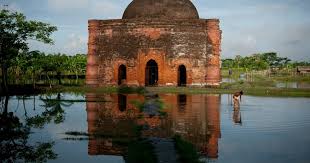
Thinking about the history of Bagerhat mosques can seem a little tricky at first. There are many old buildings and stories to learn. But don’t worry, we will go through it step by step.
It’s easier than you might think! We’ll cover the most important things about the Bagerhat mosque history so you can feel confident. Let’s start by looking at why these amazing places are so special.
Key Takeaways
- You will learn about the important ruler Khan Jahan Ali.
- We will explore the unique architecture of the Bagerhat mosques.
- You’ll discover the historical context of the region during their construction.
- We will look at how these mosques have been preserved.
- Understand the cultural significance of these UNESCO World Heritage sites.
The Rise Of Bagerhat’s Mosques
This section looks at how Bagerhat became a center for building beautiful mosques. It focuses on the person who made it all happen and the time he lived in. We will explore the main reasons behind the construction of so many religious buildings in this specific area.
This helps us understand the setting for all the amazing architecture that followed.
Khan Jahan Ali A Visionary Leader
Khan Jahan Ali was a very important person. He was a Sufi saint and a military leader. He came to this region in the 15th century.
He had a big dream to build a new city. This city was meant to be a place of worship and learning. He was a kind ruler who cared for his people.
He built many things to help them.
His vision was not just about building mosques. It was about creating a complete community. This included other structures like tanks, bridges, and roads.
He wanted his city to be a safe and prosperous place. His efforts led to a golden age for this part of Bengal. The area still remembers him as a hero.
Khan Jahan Ali was known for his devotion. He followed Islamic teachings closely. He wanted to spread Islam in the region.
However, he did so through peaceful means and good deeds. He focused on building structures that benefited everyone. This included homes, markets, and places for prayer.
His influence was felt far and wide. People admired his leadership and his spiritual guidance. He established a legacy that lasted for centuries.
The city he founded, named after him, became a famous center of Islamic culture. His story is a key part of understanding the region’s past.
The Historical Context Of The 15th Century
The 15th century was a time of change in Bengal. The Bengal Sultanate was ruling the area. This was a period of relative peace and prosperity.
It allowed for big building projects to happen. Many rulers and wealthy individuals sponsored the construction of religious and public works.
This was also a time when Sufi saints played a significant role. They helped spread Islam and build communities. Khan Jahan Ali was one of the most prominent figures of this era.
His arrival and work in the region coincided with these developments.
The political climate allowed for such grand projects. Rulers encouraged the development of new cities and infrastructure. This helped in trade and administration.
The region was a melting pot of cultures. This mix influenced the art and architecture of the time.
The economic situation also played a part. Bengal was a rich land. It had fertile soil and good trade routes.
This allowed for the financing of large-scale construction. The resources were available to build impressive structures.
The rise of new religious orders and movements was also common. Sufism gained a lot of popularity. Its followers often established centers of learning and worship.
Khan Jahan Ali’s work fits perfectly into this historical picture. It explains why so many mosques were built then.
Establishing A New Capital Khalifatabad
Khan Jahan Ali chose a specific area to build his new city. He named it Khalifatabad. This name suggests his ambition to create a city governed by Islamic principles.
It was meant to be a model Islamic city. The location was strategically chosen for its resources and potential.
The area was rich in water bodies. This was important for irrigation and transport. It also had fertile land for agriculture.
Khan Jahan Ali saw the potential for a thriving settlement. He began transforming the wilderness into a developed city.
The construction of Khalifatabad was a massive undertaking. It involved clearing land, building roads, and digging tanks. He also built fortifications to protect the city.
The mosques were central to his plan for the city’s spiritual and social life.
The city was designed to be self-sufficient. It had markets, residences, and administrative buildings. The mosques served as places for daily prayers and community gatherings.
They were also centers for education and spiritual reflection.
Khalifatabad was a testament to Khan Jahan Ali’s leadership. It showcased his ability to organize and inspire people. The city flourished during his time.
It became a significant political and cultural center in Bengal. The ruins we see today are remnants of this once-great city.
Architectural Marvels Of Bagerhat
This part talks about the buildings themselves. We will look at what makes them so special and unique. You will see how they were built and what materials were used.
This section highlights the artistic side of the Bagerhat mosques and their enduring beauty.
Unique Features Of The Mosque Design
The mosques in Bagerhat have a very distinct style. They are different from mosques built in other parts of the world. One of the most noticeable things is their shape.
They are mostly single-domed. This gives them a strong, monumental look. It’s like a large, solid structure.
Another key feature is the use of curved cornices. These are the decorative edges at the top of the walls. They give the buildings a flowing, elegant appearance.
The walls themselves are very thick. This made the buildings strong and protected them from the weather.
Inside, you will find rows of pillars. These pillars support the dome and the roof. They create a sense of open space.
The prayer halls are usually square or rectangular. The mihrab, which shows the direction of prayer, is very important. It is often decorated.
The exteriors are often covered with terracotta tiles. These tiles have beautiful patterns. They tell stories from history and religious texts.
This use of terracotta is a signature of the region’s art. It makes each mosque look special.
Many of these mosques have multiple entrances. This was useful for a busy city. The domes are often built with a technique that is quite advanced.
It shows great skill in engineering for that time. The overall design is both practical and very beautiful.
Materials And Construction Techniques
The builders of Bagerhat mosques used local materials. The main material was brick. Bricks were readily available in the region.
They used different sizes and shapes of bricks. This helped in creating the unique designs.
They also used a special kind of mortar. This mortar was made from a mix of lime, sand, and molasses. This made the buildings very strong and durable.
It helped them last for hundreds of years. It’s a testament to their building skills.
Terracotta was used for decoration. These were baked clay tiles. They were shaped and carved before being fired.
They were then fixed onto the walls. This added a lot of beauty and detail to the buildings. The designs were often floral or geometric.
Stone was used for some parts, especially for the pillars and the mihrab. This provided strength and elegance. The domes were constructed using corbelling techniques or voussoir arches.
This shows advanced knowledge of architecture.
The construction process was labor-intensive. It involved many skilled workers. They had to shape the bricks and lay them carefully.
The application of the mortar and the decorative elements required precision. It was a well-organized effort.
The builders faced challenges like dampness and erosion. They developed methods to counter these. The thick walls and raised plinths helped.
The use of strong mortar also played a role. Their innovative techniques are still admired today.
Notable Examples The Sixty Dome Mosque
The Sixty Dome Mosque is the most famous one in Bagerhat. Its real name is Shat Gombuj Masjid. It’s a UNESCO World Heritage Site.
It is called the Sixty Dome Mosque, but it actually has 77 domes. The name might be a bit misleading, but it’s very grand.
This mosque is huge. It was built by Khan Jahan Ali. It served as a royal court and a place of worship.
The main prayer hall is very large. It has a huge number of small domes covering it. This creates a stunning visual effect.
Inside, there are many stone pillars. They support the massive roof structure. The mihrab is elaborately decorated.
The walls are very thick, typical of Sultanate architecture. It feels very solid and impressive when you stand inside.
The mosque has a beautiful courtyard. It also has a large tank nearby. This tank was likely used for water supply.
The entire complex was designed to be functional and awe-inspiring. It’s a true masterpiece of its time.
The craftsmanship is incredible. The skill in building such a large structure with so many domes is remarkable. It reflects the power and wealth of the period.
It remains a symbol of Islamic heritage in Bangladesh.
The Sixty Dome Mosque is not just a building. It is a piece of history. It tells a story of faith, art, and human achievement.
Its preservation is vital for future generations to learn from.
Other Significant Structures
Besides the Sixty Dome Mosque, there are other important buildings. The Singar Mosque is another example. It is a smaller mosque but still very beautiful.
It has a single dome and is known for its intricate terracotta decorations. It is a fine example of mosque architecture.
The Chunakhola Mosque is also notable. It is a ruined mosque but still holds historical significance. It shows the extent of urban planning in Khalifatabad.
Its structure provides clues about its original design.
The Bibi Begni Mosque is another structure worth mentioning. It is also partly in ruins. However, its remaining walls and structure give an idea of its former glory.
These smaller mosques contributed to the city’s character.
The Zindapir Mosque is a smaller, more intimate prayer space. It offers a contrast to the larger mosques. It shows that not all buildings were meant to be massive.
Some were for smaller communities or individuals.
The Khan Jahan Ali Tomb is also a very important structure. It is the mausoleum of Khan Jahan Ali himself. It is a place of pilgrimage.
It is built in a similar architectural style, showing the continuity of design principles.
These structures together paint a picture of a well-developed city. They show a consistent architectural style. They are all connected to the vision of Khan Jahan Ali and the flourishing of Khalifatabad.
Each one tells a part of the Bagerhat mosque history.
Preservation And Legacy
This part discusses how these historic buildings are looked after. It also talks about their lasting impact. We will see why keeping them safe is important.
It also explains how they continue to inspire people today.
UNESCO World Heritage Status
Bagerhat was declared a UNESCO World Heritage Site. This happened in 1985. This is a very big deal for any historical place.
It means the site is recognized as being of outstanding universal value.
UNESCO’s recognition means the world agrees Bagerhat is special. It’s important not just for Bangladesh but for everyone. It shows that these mosques have something unique to offer humanity.
They are part of our shared history.
Being a World Heritage Site brings responsibility. It means that the government and international bodies work to protect it. They help in its preservation.
Funding and expert advice are often provided.
This status also helps in promoting tourism. More people learn about Bagerhat. They come to see the amazing mosques.
This brings economic benefits to the local area. It also helps raise awareness about the importance of heritage.
The designation encourages ongoing research. Experts study the buildings to understand them better. This helps in finding the best ways to conserve them.
It ensures that future generations can also appreciate these marvels.
The World Heritage label is a seal of approval. It confirms that Bagerhat is a treasure that needs to be safeguarded. It’s a recognition of the architectural genius and historical depth of the site.
Challenges In Conservation
Keeping these old buildings safe is not easy. There are many challenges. One big problem is the climate.
Bangladesh has a tropical climate. It’s very humid and has heavy rainfall. This can cause dampness and damage to the bricks and mortar.
Natural disasters are another threat. Earthquakes can happen in the region. Cyclones and storms can also cause damage.
The age of the buildings means they are more fragile. They need constant care to withstand these events.
Vandalism and theft are also concerns. Although protected, the sheer number of visitors can put a strain on the sites. Sometimes people try to take pieces of the old structures as souvenirs.
This is very harmful.
Urban development around the sites can also be a problem. As cities grow, there is pressure to build more. This can affect the surrounding areas.
It might lead to pollution or changes in the water table, which can damage the foundations.
Lack of resources can also be an issue. Conservation work is expensive. It requires skilled labor and special materials.
Sometimes, there isn’t enough funding available to do all the necessary repairs and maintenance.
The wear and tear from millions of visitors over the years also takes its toll. Each person walking around, touching surfaces, can cause gradual damage. Finding a balance between access and preservation is key.
The Enduring Appeal Of Bagerhat
Even after so many years, Bagerhat’s mosques are very appealing. They attract people from all over the world. This appeal comes from several things.
The sheer beauty of the architecture is one major reason. The unique style and the detailed decorations are captivating.
The history connected to them is also very interesting. The story of Khan Jahan Ali and the creation of Khalifatabad is fascinating. It’s like stepping back in time when you visit.
You can imagine what life was like centuries ago.
The spiritual aspect is also important. These are places of worship. Many people visit them for religious reasons.
They feel a connection to the faith and the history of Islam in the region.
The sense of peace and tranquility found there is also a draw. Despite being historical sites, many still function as mosques. They offer a quiet space for reflection.
This is a rare quality in busy tourist spots.
The blend of art, history, and spirituality makes Bagerhat unique. It offers something for everyone. Whether you are an architect, a historian, a religious person, or a traveler, you will find something to admire.
The fact that they have survived for so long is inspiring. It shows the strength of the original construction and the dedication of those who have cared for them. This resilience adds to their charm and continues to draw visitors.
Cultural Significance For Bangladesh
The Bagerhat mosques are incredibly important for Bangladesh. They are a symbol of the nation’s rich past. They represent a golden era of art and architecture in the region.
They showcase the cultural heritage of Bengal.
These sites tell a story of religious harmony and cultural exchange. They show how different influences came together to create something unique. This is a key part of Bangladesh’s identity.
It’s a part of their national pride.
The mosques are also a testament to the skill of the local artisans. They highlight the craftsmanship that existed centuries ago. This inspires pride in the nation’s artistic achievements.
It shows that Bangladesh has a deep cultural legacy.
They are important for education. Students and researchers study these buildings. They learn about history, architecture, and urban planning.
This knowledge helps in understanding the country’s development.
The sites contribute to the tourism industry. This brings economic benefits to the country. It also helps in promoting Bangladesh as a destination with rich cultural attractions.
It’s a way of showcasing their heritage to the world.
The Bagerhat mosque history is deeply woven into the fabric of Bangladeshi culture. It’s a reminder of a glorious past. It inspires a sense of continuity and identity for the people.
They are a vital part of what makes Bangladesh unique.
Common Myths Debunked
Myth 1: The Sixty Dome Mosque has exactly sixty domes.
The Sixty Dome Mosque, while famous by this name, actually features 77 domes. The name is more of a popular, simplified title rather than an exact architectural count. The structure’s grandeur and its historical significance are far more important than the precise number of its domes.
Myth 2: Bagerhat mosques are all identical.
While the mosques in Bagerhat share a common architectural style influenced by Khan Jahan Ali’s vision and the 15th-century Bengali Sultanate period, they are not identical. Each mosque, like the Sixty Dome Mosque, Singar Mosque, and Chunakhola Mosque, has unique characteristics in size, decorative elements, and specific structural details.
Myth 3: Bagerhat was only built for religious purposes.
While mosques were central to the city, Khalifatabad, founded by Khan Jahan Ali, was a multifaceted urban center. It included administrative buildings, residential areas, marketplaces, roads, and water management systems, serving as a political and economic hub in addition to being a religious one.
Myth 4: The buildings are still in their original, pristine condition.
These structures are centuries old and have weathered many natural events and human activities. While significant efforts are made towards preservation, the mosques have undergone natural decay and restoration work over time. What we see today are well-maintained historical monuments, not untouched original structures.
Frequently Asked Questions
Question: Who was Khan Jahan Ali
Answer: Khan Jahan Ali was a Sufi saint and a military leader in the 15th century. He is credited with founding the city of Khalifatabad, now known as Bagerhat, and building many of its famous mosques and structures.
Question: What is special about the architecture of Bagerhat mosques
Answer: Bagerhat mosques are known for their unique style, often featuring single domes, curved cornices, thick walls, extensive use of terracotta decoration, and a distinct blend of Bengali and Islamic architectural influences.
Question: Why is Bagerhat a UNESCO World Heritage Site
Answer: Bagerhat is recognized by UNESCO for its outstanding universal value as an exceptional urban and architectural ensemble representing a unique period of Islamic history and culture in Bengal.
Question: How old are the Bagerhat mosques
Answer: The mosques in Bagerhat were primarily built in the 15th century, making them around 500 to 600 years old.
Question: Are Bagerhat mosques still used for prayer
Answer: Yes, many of the mosques in Bagerhat, including some of the historically significant ones, are still actively used by local communities for daily prayers.
Conclusion
Exploring the Bagerhat mosque history reveals a fascinating story of faith and architecture. You have learned about Khan Jahan Ali’s vision and the unique buildings he inspired. The distinctive designs and materials show great skill.
Preservation efforts ensure these treasures last. Bagerhat’s legacy continues to inspire awe and respect.