Figuring out the best time to visit Cox’s Bazar can seem a bit tricky for newcomers. You want perfect weather for your beach holiday, right? You want to avoid crowds and still have a great time.
It is easy to get lost in all the different advice out there. This guide makes it super simple for you. We will walk through it step-by-step.
Get ready to plan your perfect trip!
Key Takeaways
- You will learn the ideal months for sunny skies and pleasant weather in Cox’s Bazar.
- Discover when to expect fewer crowds for a more relaxed experience.
- Understand the seasons to avoid to ensure your trip is enjoyable.
- Get practical tips on what to pack for different times of the year.
- Find out how local events might influence your travel dates.
Understanding Cox’s Bazar Weather Patterns
Cox’s Bazar, a beloved coastal city in Bangladesh, experiences distinct weather patterns throughout the year. These patterns significantly impact the visitor experience. The tropical monsoon climate means there are wet periods and dry periods.
Understanding these variations is key to planning a trip where you can enjoy the longest sandy beach in the world. Many travelers wonder about the optimal window for sunbathing, swimming, and exploring. Knowing the nuances helps you avoid disappointment and make the most of your visit.
The Tropical Monsoon Climate Explained
The tropical monsoon climate of Cox’s Bazar is characterized by high temperatures and humidity year-round, with a pronounced wet season and a dry season. The monsoon season typically brings heavy rainfall, strong winds, and rough seas, making beach activities difficult and sometimes unsafe. The dry season offers clear skies, lower humidity, and calmer waters, creating ideal conditions for tourism.
This division dictates the ebb and flow of tourist traffic and the types of activities available.
Rainfall and Humidity Levels
Rainfall is a defining feature of Cox’s Bazar’s climate. From May to October, the region experiences heavy monsoon showers, with July and August often being the wettest months. During this period, average rainfall can be substantial, leading to flooded areas and disrupted travel plans.
Humidity levels also remain high, often exceeding 80%, which can make the heat feel more intense. This makes sightseeing and outdoor activities less comfortable for many visitors.
Conversely, the dry season, from November to April, sees significantly less rainfall. Days are often sunny with a gentle sea breeze. Humidity drops considerably, making the weather feel much more pleasant.
This drier and more comfortable climate is what most tourists seek for their beach vacation. The reduced humidity makes exploring the town and enjoying the coastline much more enjoyable.
Temperature Fluctuations Throughout The Year
Temperatures in Cox’s Bazar are generally warm to hot throughout the year, with less extreme variation compared to temperate climates. The average annual temperature hovers around 27-28 degrees Celsius (80-82 degrees Fahrenheit). During the hottest months, April and May, temperatures can climb to the low thirties Celsius (high eighties Fahrenheit).
The cooler months, December and January, offer a welcome respite, with average temperatures around 24-25 degrees Celsius (75-77 degrees Fahrenheit).
These moderate temperature swings mean that outdoor activities are generally feasible for most of the year. However, the intense heat of the pre-monsoon months can be a deterrent for some. The cooler, drier air of the winter months is often cited as the most comfortable period for visitors seeking a break from the heat.
This balance of warmth and comfort is a major draw for many.
The Best Time To Visit Cox’s Bazar For Ideal Weather
When considering the absolute best time to visit Cox’s Bazar, focusing on the dry season is paramount. This period offers the most favorable conditions for enjoying the beach and surrounding attractions. From November through March, you can expect long stretches of sunshine, comfortable temperatures, and minimal rainfall.
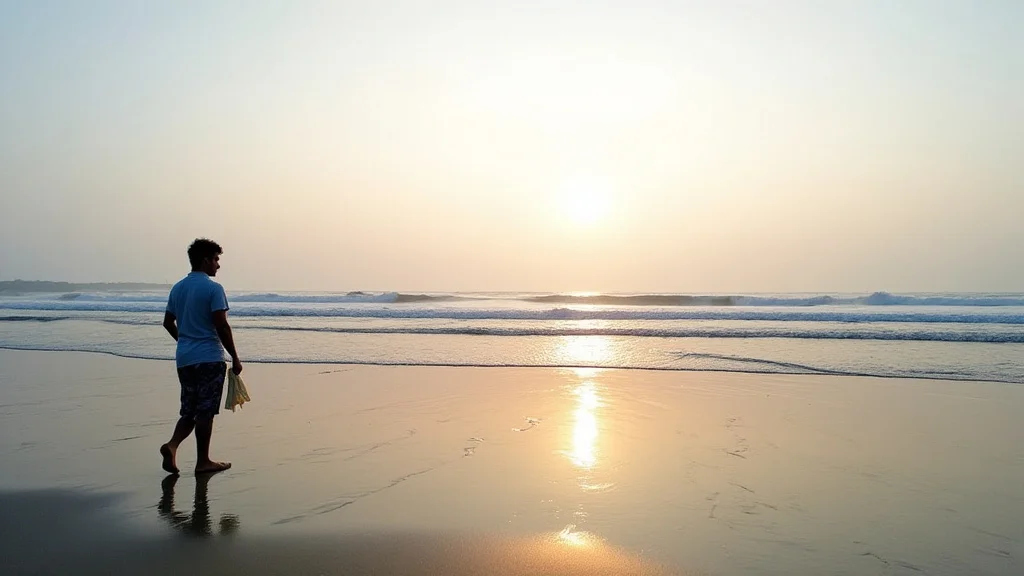
This is when the sea is typically calm, perfect for swimming and water sports. The air is less humid, making it pleasant to explore the local markets and enjoy leisurely walks along the shore.
Peak Season Months November To March
November marks the beginning of the dry season and the start of Cox’s Bazar’s peak tourist period. The skies are usually clear, and the weather is pleasant, with average temperatures ranging from 20 to 30 degrees Celsius (68 to 86 degrees Fahrenheit). This makes it an ideal time for all kinds of outdoor activities, from sunbathing and swimming to exploring nearby islands like St.
Martin’s. The sea breeze provides a refreshing contrast to the warm sun, making beach days exceptionally enjoyable. Many visitors find this period to be the most rewarding for a quintessential beach holiday experience.
December and January are considered the heart of the peak season. The weather remains consistent with clear skies and comfortable temperatures. This is the most popular time for both domestic and international tourists, so expect larger crowds at popular spots.
Despite the crowds, the excellent weather makes it a prime choice for those who want to experience Cox’s Bazar at its most vibrant. The festive atmosphere during this time also adds to the appeal, with local celebrations and events often taking place.
February and March continue to offer excellent weather, though temperatures begin to gradually rise as the dry season starts to transition towards the hot, humid pre-monsoon period. Rainfall remains very low, and the seas are generally calm. This can be a slightly less crowded period than December and January, offering a good balance for those who want great weather without the absolute peak of holidaymakers.
Many consider these months a sweet spot for a visit.
Shoulder Season Advantages
The periods just before and after the peak season offer unique advantages for visitors looking for a more relaxed and potentially more affordable experience. These shoulder seasons strike a balance between pleasant weather and fewer crowds. They are often overlooked but can be highly rewarding for travelers who prefer a quieter atmosphere while still enjoying good climatic conditions.
April And October Considerations
April is the beginning of the hot and humid pre-monsoon season. While temperatures start to climb significantly, reaching into the low thirties Celsius, rainfall is still relatively low. This month can be good for those who can tolerate heat and want to avoid peak season crowds.
However, humidity can be quite high, making long periods outdoors less comfortable for some. It’s a time when the sun is strong, so staying hydrated and seeking shade is important.
October marks the end of the monsoon season. The heavy rains begin to subside, and the weather starts to become more stable. You might still encounter occasional showers, especially in early October, but by the end of the month, sunny days become more common.
The landscape is lush and green from the recent rains, offering a different kind of beauty. The sea might still be a bit rough early in the month, but it generally calms down as November approaches. This month can offer a good mix of pleasant weather and fewer tourists.
When To Avoid Visiting Cox’s Bazar
While Cox’s Bazar is a year-round destination, certain periods are best avoided if your primary goal is to enjoy the beach and outdoor activities under ideal weather conditions. The monsoon season, with its heavy rainfall and strong winds, can significantly disrupt travel plans and limit available activities. Understanding these less favorable months is just as important as knowing the best ones.
The Monsoon Season May To September
The monsoon season, which typically spans from May to September, is characterized by heavy rainfall, strong winds, and high humidity. During these months, the Bay of Bengal can become very rough, leading to advisories against swimming and boating. Many beachside establishments might have reduced services or even close temporarily.
The constant rain can make it difficult to explore the city and its attractions. While some might find a certain charm in the rainy season, for most tourists seeking a typical beach holiday, this period is not ideal.
Heavy Rainfall And Storm Risks
Heavy rainfall is the hallmark of the monsoon. Daily downpours can occur, ranging from light drizzles to torrential storms. These can lead to localized flooding, making transportation challenging.
Tourists might find their sightseeing plans frequently interrupted by sudden storms. The visual appeal of the beach can also be diminished by overcast skies and choppy waters. It is important to be prepared for disruptions if traveling during this time.
The risk of storms, including cyclonic activity, increases during the monsoon season. While major cyclones are infrequent, localized severe weather events are more common. These can cause significant disruption to travel and pose safety concerns.
For this reason, many travelers choose to postpone their visits until the weather stabilizes. The unpredictability of the weather during these months makes it difficult to guarantee a smooth and enjoyable trip.
Pre-Monsoon Heat And Humidity
The period leading up to the monsoon, particularly April and May, can be intensely hot and humid. While rainfall is not yet at its peak, the temperatures soar, and the humidity levels become oppressive. This can make spending extended periods outdoors uncomfortable for many people.
The heat can be draining, and outdoor activities might need to be scheduled for early mornings or late evenings. This pre-monsoon heat is a significant factor for many in deciding when to visit.
Intense Heat And Uncomfortable Humidity
Temperatures in April and May often reach their annual highs, frequently exceeding 30 degrees Celsius (86 degrees Fahrenheit) and sometimes climbing higher. Combined with very high humidity, this creates a feeling of oppressive heat that can be difficult to bear. Evenings may offer some relief, but daytime can be very challenging for those not accustomed to such conditions.
Staying cool and hydrated becomes a top priority.
The high humidity during these months adds to the discomfort. It can make the air feel thick and heavy, affecting breathing and general well-being. This can be particularly challenging for elderly visitors or those with respiratory issues.
While it is possible to visit during this time, it requires careful planning to manage the heat and humidity effectively. Many prefer to visit when the air is drier and cooler.
Seasonal Activities And Events
Cox’s Bazar offers a range of activities and experiences that vary with the seasons. Understanding these seasonal offerings can help you time your visit to align with your interests, whether you are seeking adventure, relaxation, or cultural immersion. The changing weather patterns influence not only what you can do but also the overall atmosphere of the destination.
Water Sports And Beach Activities
During the dry season, from November to March, the sea is generally calm and inviting, making it perfect for a variety of water sports. Swimming is safe and enjoyable. For adventure seekers, activities like parasailing, surfing, jet skiing, and banana boat rides are readily available.
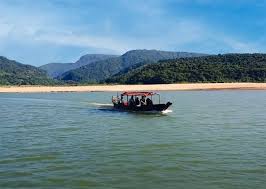
Boat trips to nearby islands like Moheshkhali and Sonadia are also popular, offering opportunities for exploration and enjoying the coastal scenery. The clear skies and mild temperatures make these months ideal for maximizing your time spent on and in the water.
During the monsoon season, most water sports activities are suspended due to rough seas and safety concerns. However, the dramatic scenery of the rough sea can be a draw for some. Beach walks might still be possible, but swimming is generally not recommended.
The focus shifts from active water engagement to enjoying the natural beauty from a distance and perhaps exploring the local culture.
Festivals And Local Celebrations
Cox’s Bazar, like much of Bangladesh, celebrates several festivals throughout the year, which can add a unique cultural dimension to your visit. The most significant religious festivals, Eid al-Fitr and Eid al-Adha, are celebrated with great fervor. These usually fall on different dates each year according to the Islamic lunar calendar, so checking the specific dates is advised.
During Eid, the town is often lively, with special markets and community gatherings.
Other important events include Pohela Boishakh (Bengali New Year) in April, which is celebrated with vibrant cultural programs, music, and traditional food. While April can be hot, the festive spirit makes it an exciting time to experience local traditions. Religious festivals often bring a sense of community and celebration to the town, offering visitors a glimpse into the local way of life.
However, these periods can also mean higher local tourist numbers and potentially more crowded accommodations.
Tips for Planning Your Cox’s Bazar Trip
Planning your trip effectively ensures a smoother and more enjoyable experience. Considering the best time to visit Cox’s Bazar is the first step, but there are other practicalities to keep in mind to make the most of your holiday. These tips cover booking, packing, and making your visit comfortable.
Booking Accommodation And Travel
For the peak season, from November to March, it is highly recommended to book your accommodation and flights or train tickets well in advance. Popular hotels and resorts can fill up quickly, especially around Christmas, New Year, and other holidays. Booking early not only secures your preferred lodging but can also often lead to better rates.
Consider booking at least 2-3 months ahead for the best selection and prices during this busy period.
During the monsoon season (May to September) or the shoulder months of April and October, you may find more flexibility and potentially lower prices. However, even in the off-season, it is wise to book at least a few weeks in advance to avoid disappointment, especially if you have specific requirements or are traveling during a local festival. Online booking platforms and travel agents can assist in finding suitable options.
What To Pack
When packing for Cox’s Bazar, consider the season you are visiting. For the dry season (November to March), light cotton clothing is ideal. Pack swimwear, sunglasses, a sun hat, and high-SPF sunscreen to protect yourself from the sun.
Comfortable walking shoes or sandals are essential for exploring the beach and town. A light jacket or shawl might be useful for cooler evenings, especially in December and January.
For the hot and humid pre-monsoon months (April-May) and the monsoon season (May-September), pack breathable, lightweight fabrics like cotton and linen. Quick-drying clothes are beneficial during the monsoon. An umbrella and a waterproof jacket are must-haves if traveling during the rainy season.
Insect repellent is also advisable, especially during warmer months and near greener areas. Regardless of the season, always pack a basic first-aid kit.
Common Myths Debunked
Myth 1: Cox’s Bazar is only a summer destination.
Reality: While the peak tourist season aligns with the cooler, dry months, Cox’s Bazar can be visited year-round. The monsoon season offers a different, often quieter, experience with lush landscapes and dramatic sea views. Each season has its unique charm and activities.
Visitors who don’t mind occasional rain might find fewer crowds and better deals during the monsoon months.
Myth 2: You must visit during the absolute driest months for a good trip.
Reality: The shoulder seasons, like October and April, can offer a great balance. You might experience a few showers or higher temperatures, but you can often avoid the largest crowds and enjoy more affordable prices while still having plenty of sunshine and pleasant weather for beach activities.
Myth 3: The weather is unpredictable year-round.
Reality: While tropical weather can have its surprises, Cox’s Bazar has fairly predictable seasonal patterns. The dry season is consistently sunny and pleasant, and the monsoon season is reliably wet and windy. Understanding these general patterns allows for informed planning.
Frequently Asked Questions
Question: What is the cheapest time to visit Cox’s Bazar?
Answer: The cheapest time to visit Cox’s Bazar is generally during the monsoon season, from May to September. Accommodation and flight prices are usually lower during this period due to fewer tourists.
Question: Is it safe to swim in Cox’s Bazar during the monsoon?
Answer: It is generally not recommended to swim in Cox’s Bazar during the monsoon season (May to September) due to rough seas, strong currents, and potential for unpredictable weather.
Question: Can I visit Cox’s Bazar in December?
Answer: Yes, December is considered part of the peak season and offers excellent weather. It is a very popular time to visit, so booking accommodation and travel in advance is highly recommended.
Question: What kind of clothing should I pack for a January visit?
Answer: For a January visit, pack light cotton clothing for daytime. Evenings can be slightly cooler, so a light jacket or shawl is advisable. Comfortable footwear for walking on the beach is also a good idea.
Question: Are there good food options available during the monsoon?
Answer: Yes, many restaurants and local eateries remain open during the monsoon season. While some beachside shacks might close, you will still find plenty of places to enjoy local cuisine.
Summary
The best time to visit Cox’s Bazar is generally from November to March, offering sunny skies and pleasant temperatures ideal for beach activities. Avoid the peak monsoon from May to September due to heavy rains and rough seas. Shoulder seasons like April and October present a good balance of weather and fewer crowds.
Plan your trip considering these patterns for a wonderful beach getaway.