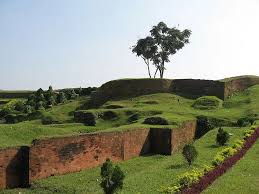
Planning a trip to Mahasthangarh can seem tricky at first. Lots of information is out there, and figuring out the best way to see everything can be a puzzle. But don’t worry!
We’re here to make your visit super simple. Think of this as your easy-to-follow map. We’ll break down exactly what you need to know for an amazing adventure.
Get ready to explore Mahasthangarh without any stress!
Key Takeaways
- You will learn about Mahasthangarh’s history and importance.
- Discover the best times to visit and how to get there.
- Find out about key attractions and what to see at each site.
- Get practical tips on accommodation, food, and local customs.
- Understand how to plan your itinerary for a fulfilling visit.
Discover Mahasthangarh Ancient City
Mahasthangarh is one of Bangladesh’s oldest urban centers. It has a rich history that spans thousands of years. This ancient city was once a powerful capital in the region.
Exploring Mahasthangarh offers a unique glimpse into the past. It’s a place where history comes alive. Many visitors find it a truly fascinating destination.
Historical Significance of Mahasthangarh
The historical significance of Mahasthangarh cannot be overstated. It served as the administrative and religious center for centuries. Evidence suggests it was a thriving city as early as the 3rd century BCE.
It played a vital role in the Maurya, Gupta, and Pala empires. Its strategic location on the Karatoya River made it a key trade hub. The city’s ruins tell stories of different eras and rulers.
Archaeological findings at Mahasthangarh provide invaluable insights into ancient South Asian civilization. These discoveries include pottery, terracotta figurines, and inscriptions. They help us piece together the lives of people who lived here long ago.
The site is a UNESCO World Heritage tentative list. This highlights its global importance for historical preservation.
Mahasthangarh’s religious importance is also notable. It was a significant center for Buddhism and Hinduism. Later, it also saw influence from Islam.
This layering of religious history adds to the site’s unique character. Visitors can see evidence of different faiths coexisting over time.
Mahasthangarh Visitor Information
When planning your visit, knowing key visitor information is essential. This helps ensure a smooth and enjoyable experience. Mahasthangarh is located in the Bogura district of Bangladesh.
It is easily accessible by road from major cities.
Best Time to Visit Mahasthangarh
The best time to visit Mahasthangarh is generally during the dry season. This period runs from October to March. The weather is pleasant, with cooler temperatures and less humidity.
This makes outdoor exploration much more comfortable.
- October to November: This is post-monsoon season. The landscape is lush and green. The weather is mild and perfect for sightseeing.
- December to February: These are the coolest months. Daytime temperatures are ideal for walking around the extensive ruins. Evenings can be a bit chilly.
- March to April: This is the beginning of the hot season. Temperatures start to rise. It can be quite warm during the day, but it’s still manageable.
The monsoon season, from June to September, brings heavy rainfall. While the greenery is beautiful, heavy rains can disrupt travel and exploration. It’s best to avoid this period if possible for a more relaxed visit.
Getting To Mahasthangarh
Mahasthangarh is conveniently located near the city of Bogura. Bogura is well-connected by road to major cities like Dhaka, the capital of Bangladesh.
From Dhaka, you can take a bus to Bogura. Several bus companies operate regular services. The journey takes about 4-6 hours depending on traffic.
Once you reach Bogura, Mahasthangarh is a short drive away. You can hire a rickshaw, auto-rickshaw, or taxi from Bogura city to reach the archaeological site.
If you prefer to travel by air, the nearest airport is in Shah Makhdum Airport, also known as Rajshahi Airport. From Rajshahi, you can take a bus or taxi to Bogura, which is about a 2-hour drive.
Many visitors choose to hire a car and driver for the day from Bogura. This allows for easy movement between different parts of the Mahasthangarh complex and nearby attractions.
Entrance Fees and Timings
There is usually a small entrance fee for Mahasthangarh. The fee is nominal and helps in the site’s preservation. It is advisable to check the current fee structure upon arrival.
The site is generally open from morning until evening. Typical timings are from 9:00 AM to 6:00 PM. However, it’s a good idea to confirm the exact opening and closing hours before your visit, especially on public holidays.
Exploring the Mahasthangarh Archaeological Site
The Mahasthangarh archaeological site is vast and spread out. It comprises various ruins and structures that whisper tales of its glorious past. Each part of the site offers a unique perspective on its history and cultural significance.
Planning your exploration will help you make the most of your visit.
Key Attractions within Mahasthangarh
Several significant structures and areas are within the Mahasthangarh complex. These are the main points of interest for most visitors.
- The Citadel Mound: This is the central elevated area believed to be the ancient city’s core. It contains remnants of palaces, fortifications, and administrative buildings. Standing here gives you a sense of the city’s former grandeur.
- Gokul Medh: Located slightly outside the main citadel, this is a prominent archaeological mound. It is believed to be an ancient Buddhist monastery or a temple complex. Its unique spiral staircase is a notable feature.
- Paharpur Buddhist Monastery: While not directly within Mahasthangarh itself, the famous Paharpur site is relatively close and often visited by those exploring Mahasthangarh. It is a UNESCO World Heritage Site and a magnificent example of Buddhist architecture.
- Govinda Bhita Temple: This is a Hindu temple structure, believed to be from a later period. Its ruins are significant for understanding the religious evolution of the area.
- Kaluar Dighi: A large tank that was once part of the ancient city. It is thought to have religious or ceremonial importance.
The Mahasthangarh museum, located near the site, houses many artifacts found during excavations. Visiting the museum first can provide valuable context before you explore the ruins. It displays pottery, sculptures, coins, and other objects that offer deeper insights into daily life and culture.
What to See at Each Location
When visiting each attraction, take time to observe the details. Even the remnants of walls and foundations tell a story.
At the Citadel Mound, imagine the bustling city life that once thrived here. Look for the traces of defensive walls and gateways. The elevated position offers panoramic views of the surrounding area.
It’s a great spot to visualize the ancient city’s layout.
Gokul Medh’s spiral staircase is particularly intriguing. Its construction is a testament to ancient engineering skills. The mound itself is large, and imagining the structure it once housed can be fascinating.
Govinda Bhita Temple showcases architectural styles from different periods. The remnants of its walls and platforms indicate its past grandeur. It’s important to note that much of what you see are foundations and lower structures, but their scale is impressive.
Remember to wear comfortable shoes as you’ll be doing a lot of walking. The terrain can be uneven in places.
Planning Your Mahasthangarh Itinerary
A well-planned itinerary ensures you see all the important sites without feeling rushed. Mahasthangarh can be explored thoroughly in a day, but staying longer allows for a more relaxed experience and exploration of nearby areas.
Suggested Itinerary for One Day
A one-day visit is perfect for covering the main highlights of Mahasthangarh. Here’s a suggested plan:
- Morning (9:00 AM – 12:00 PM): Start your day at the Mahasthangarh Museum. This will give you a good historical overview. Afterward, head to the Citadel Mound to explore the central ruins.
- Lunch (12:00 PM – 1:00 PM): Enjoy a local lunch at a nearby restaurant.
- Afternoon (1:00 PM – 4:00 PM): Visit Gokul Medh and Govinda Bhita Temple. Explore Kaluar Dighi.
- Late Afternoon (4:00 PM – 5:00 PM): If time permits, you can revisit any area you particularly enjoyed or take some time for photography.
Consider hiring a local guide at the site. They can provide in-depth information and help you understand the historical context of each ruin. This significantly enhances the learning experience.
Extending Your Visit
If you have more than one day, consider visiting nearby attractions.
- Paharpur Buddhist Monastery: This is a must-see if you have an extra day. It’s about an hour’s drive from Mahasthangarh and is a major archaeological wonder.
- Bogura City: Explore the local markets and enjoy more of the regional cuisine.
- Sherpur: This area also has historical significance and some smaller archaeological sites.
Spending two days allows for a more leisurely pace. You can also include time for souvenir shopping and enjoying the local ambiance.
Practical Tips for Mahasthangarh Travel
To make your Mahasthangarh travel guide experience smooth, keep these practical tips in mind. They cover essentials like food, accommodation, and local etiquette.
Accommodation Options
While Mahasthangarh itself doesn’t have many hotels, the nearby city of Bogura offers a range of accommodation.
- Bogura Hotels: You’ll find options ranging from budget-friendly guesthouses to mid-range hotels. These offer basic amenities and are comfortable for a short stay.
- Rest Houses: Sometimes, government rest houses are available near archaeological sites. Inquire locally about their availability and booking procedures.
It’s advisable to book your accommodation in advance, especially during peak tourist seasons. This ensures you get a good place to stay.
Food and Drink
The Bogura region is known for its delicious local cuisine. Don’t miss out on trying some regional specialties.
Local Delicacies: Bogura is famous for its Doi (yogurt), which is thick and creamy. You can also try various traditional Bengali dishes. Look for restaurants serving fish, rice, lentils, and vegetable curries.
Staying Hydrated: Carry plenty of water, especially during warmer months. Bottled water is readily available. It’s always a good idea to stick to sealed bottled water for safety.
When eating out, choose restaurants that appear clean and hygienic. This will help you avoid any potential stomach issues.
Local Customs and Etiquette
Respecting local customs will ensure a positive interaction with the community.
- Dress Modestly: While not strictly enforced at the archaeological site, it’s respectful to dress modestly when visiting religious sites or interacting with locals. This means covering your shoulders and knees.
- Ask Before Photographing: Always ask for permission before taking pictures of people, especially women and children.
- Bargaining: In local markets, bargaining is common for goods, but do so politely and respectfully.
Learning a few basic Bengali phrases can also be very helpful and appreciated by the locals. Even simple greetings can go a long way.
Mahasthangarh Travel Guide Overview
Mahasthangarh stands as a remarkable testament to ancient South Asian history and culture. This comprehensive Mahasthangarh travel guide has equipped you with the essential knowledge to plan your visit. From understanding its deep historical roots to practical tips on getting there, accommodation, and exploring its key attractions, you are now well-prepared.
You know the best times to visit and how to make the most of your one-day itinerary. This guide ensures your exploration of Mahasthangarh will be both enriching and enjoyable.
Common Myths Debunked
Myth 1: Mahasthangarh is just a pile of old stones with nothing to see.
Reality: Mahasthangarh is a vast archaeological site containing the remnants of a once-thriving ancient city. While much is in ruins, the scale of the citadel, the unique architecture of structures like Gokul Medh, and the insights provided by the museum clearly showcase its historical significance. The site offers a tangible connection to past civilizations, making it far more than just stones.
Myth 2: You need to be an archaeology expert to appreciate Mahasthangarh.
Reality: You do not need to be an expert to enjoy Mahasthangarh. The site is fascinating for anyone interested in history, culture, or ancient civilizations. With a good Mahasthangarh travel guide, a local guide, or by reading up beforehand, you can gain a good appreciation for its importance.
The visible ruins and artifacts tell compelling stories that are accessible to all visitors.
Myth 3: Mahasthangarh is difficult to reach and access.
Reality: Mahasthangarh is quite accessible. It’s located near Bogura city, which is well-connected by road to major cities in Bangladesh. Once in Bogura, local transportation like rickshaws and taxis make reaching the site very easy and affordable.
The site itself is laid out for visitors to explore.
Myth 4: There are no good places to eat or stay near Mahasthangarh.
Reality: The nearby city of Bogura offers a range of accommodation options, from budget guesthouses to comfortable hotels. Bogura is also renowned for its delicious local cuisine, especially its famous yogurt (Doi). You’ll find plenty of places to eat and rest after exploring the ruins.
Frequently Asked Questions
Question: What is the most important historical period associated with Mahasthangarh?
Answer: Mahasthangarh was a significant urban center from the 3rd century BCE, playing a key role during the Maurya, Gupta, and Pala empires, making these periods highly important to its history.
Question: Is Mahasthangarh a UNESCO World Heritage Site?
Answer: While Mahasthangarh is not currently a UNESCO World Heritage Site, it is on the tentative list, recognizing its outstanding universal value.
Question: Can I hire a guide at Mahasthangarh?
Answer: Yes, local guides are usually available at the Mahasthangarh site. Hiring one can greatly enhance your understanding and experience of the ruins.
Question: What kind of artifacts can I see at the Mahasthangarh Museum?
Answer: The museum displays a variety of artifacts found at the site, including pottery, terracotta figurines, coins, stone sculptures, and ancient inscriptions.
Question: Is Mahasthangarh suitable for family visits?
Answer: Yes, Mahasthangarh can be a great educational and interesting visit for families. Children can learn about history in a very visual and engaging way.
Summary
This Mahasthangarh travel guide provided all you need for a great visit. You learned about its history, how to get there, and what to see. You have practical tips for food and stays.
Planning your trip is now simple and straightforward. Enjoy exploring this amazing ancient city!