Learning about the Paharpur Buddhist monastery history can seem tricky at first because there’s a lot to cover. It’s a huge ancient site! But don’t worry, we’ll make it easy to grasp.
This guide breaks down its story step by step. We’ll look at its amazing past and why it’s so important today. Get ready to discover the wonders of Paharpur.
Key Takeaways
- You will learn about the historical significance of the Paharpur Buddhist monastery.
- Discover the architectural marvels and layout of this ancient site.
- Understand the religious practices and daily life of monks at Paharpur.
- Explore the monastery’s rise, decline, and rediscovery.
- Learn about the UNESCO World Heritage status and its importance.
Paharpur Buddhist Monastery Its Ancient Origins
The story of Paharpur begins long ago, in a time when Buddhism was a major force across Asia. This vast monastic complex, known as Somapura Mahavihara, was one of the most important Buddhist learning centers of its era. Its creation marked a significant moment in the spread of Buddhist art and education.
The sheer scale of the construction tells us a lot about the power and influence of the rulers who supported it.
Founding of Somapura Mahavihara
The monastery was founded during the Pala dynasty, a period of great cultural and political flourishing in Bengal. The Palas were devout Buddhists and patrons of learning, which led to the establishment of grand religious institutions. Somapura Mahavihara was their crowning achievement in this regard.
It wasn’t just a place for monks to live; it was a hub for scholars and pilgrims from across the Buddhist world.
The exact date of its founding is debated, but it is generally placed in the 8th century CE. The ruler responsible for its creation is believed to be King Dharmapala. He envisioned a place that would serve as a beacon of Buddhist knowledge and practice.
The site chosen was strategically located, making it accessible to many. This location helped it grow into a major center.
Architectural Grandeur
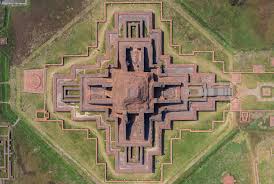
What makes Paharpur truly special is its incredible architecture. The main structure is a massive square courtyard, surrounded by rows of monastic cells. In the center of the courtyard stands a towering temple, a unique and impressive feature.
This temple is often described as a cruciform (cross-shaped) temple, rising in multiple tiers.
The temple’s design is highly distinctive. It features ornate terracotta carvings that depict various Buddhist deities, scenes from the Jataka tales (stories of Buddha’s past lives), and scenes from daily life. These carvings are not just decorative; they are historical records, offering insights into the art, culture, and beliefs of the time.
The precision and detail in these artworks are astounding.
Strategic Location and Influence
Paharpur’s location in the present-day Naogaon district of Bangladesh was no accident. It was situated along ancient trade routes, which facilitated the movement of monks, scholars, and resources. This accessibility helped the monastery gain widespread fame and attract students from distant lands like Tibet, Nepal, and Southeast Asia.
The influence of Somapura Mahavihara extended far beyond its physical walls. It played a vital role in disseminating Buddhist philosophy and practices throughout the region. Many renowned Buddhist scholars and missionaries received their training here, contributing to Buddhism’s spread.
Its reputation as a center of learning was unparalleled.
Daily Life and Religious Practices at Paharpur
Life within the walls of Paharpur was structured and dedicated to spiritual pursuits. Monks followed a strict routine, engaging in meditation, prayer, and study. The monastery was a self-sufficient community, with facilities to support the hundreds of monks who resided there.
Monastic Cells and Community Living
The monastery complex consists of over 170 monastic cells arranged around the central courtyard. These cells were individual living quarters for the monks. Each cell was simple, designed for a life of austerity and contemplation.
They typically contained a sleeping area and a small space for personal belongings.
Living in such close proximity fostered a strong sense of community among the monks. They shared communal meals, participated in group chants, and worked together to maintain the monastery. The layout facilitated this communal living, with easy access to the central temple and other communal spaces.
This shared existence was central to their spiritual growth.
Buddhist Teachings and Study
Paharpur was a renowned center for higher Buddhist learning. Monks and scholars studied various Buddhist scriptures, philosophies, and debates. The curriculum would have included texts from different schools of Buddhism, ensuring a comprehensive education.
The central temple likely served as a place for lectures and public sermons.
The monastery would have housed a vast library, although little of it survives today. These texts were crucial for preserving and propagating Buddhist knowledge. The presence of scholars from diverse backgrounds enriched the intellectual environment, fostering lively discussions and new interpretations of Buddhist doctrines.
It was a true academic powerhouse.
Rituals and Worship
Daily rituals were an integral part of monastic life at Paharpur. These would have included morning and evening prayers, chanting of sutras, and meditation sessions. The central temple was the focal point for larger ceremonies and festivals.
The terracotta art provides clues to the rituals performed. We see depictions of various Buddhas, Bodhisattvas, and other significant figures in Buddhist cosmology. These images would have been used in worship, meditation, and as teaching aids.
The ceremonies were likely elaborate, involving music, offerings, and processions.
The Decline and Rediscovery of Paharpur
Like many great ancient sites, Paharpur eventually faced decline. Several factors contributed to its abandonment, leading to centuries of obscurity. The eventual rediscovery and excavation brought its history back to light.
Reasons for Decline
The decline of the Pala dynasty and subsequent political shifts likely impacted the monastery’s patronage and resources. Invasions and political instability in the region may have also played a role. Natural disasters could have damaged the structures, making them difficult to maintain.
Around the 12th century CE, the monastery’s importance began to wane. While some activities may have continued for a time, it gradually fell into disuse. The once-bustling center of learning became silent, and its structures started to decay, eventually becoming covered by earth and vegetation.
Excavation and Preservation Efforts
The ruins of Paharpur were brought to public attention in the late 19th and early 20th centuries. Archaeological surveys were conducted, revealing the immense scale of the buried complex. Full-scale excavations began in the 1930s under the direction of archaeologists like K.N.
Dikshit.
These excavations uncovered the entire layout of the monastery, including the cells, courtyard, and the magnificent central temple. The process of excavating and preserving such a vast site was a monumental task. It involved carefully clearing away earth, stabilizing ancient structures, and cataloging the thousands of artifacts found.
Paharpur Buddhist monastery history Uncovered
The excavation work dramatically revealed the Paharpur Buddhist monastery history. It confirmed Somapura Mahavihara as one of the largest and most significant Buddhist monasteries in the Indian subcontinent. The artifacts unearthed, such as pottery, coins, and the famous terracotta plaques, provided invaluable historical data.
This rediscovery sparked a renewed interest in the site, both locally and internationally. It shed light on a crucial period of Buddhist history and the cultural achievements of the Pala rulers. The preservation efforts continue to this day, ensuring that future generations can learn from this magnificent site.
Paharpur’s Significance and UNESCO Status
Paharpur holds immense cultural and historical significance, recognized globally for its outstanding value. Its transformation into a UNESCO World Heritage site underscores its importance.
A Testament to Ancient Urban Planning
The architectural layout of Paharpur is remarkable. The precise square plan and the systematic arrangement of cells demonstrate advanced urban planning principles for its time. The scale of the complex is indicative of sophisticated engineering and construction capabilities.
The central temple, with its tiered structure and unique cruciform shape, is an architectural marvel. It represents a distinct style that influenced Buddhist temple architecture in other parts of Asia. The harmonious integration of living quarters, worship spaces, and administrative areas makes it a prime example of monastic design.
Cultural and Artistic Heritage
The thousands of terracotta plaques found at Paharpur are a treasure trove of cultural and artistic heritage. They depict a diverse range of subjects, from religious figures and mythical creatures to scenes of everyday life and royal courts. These carvings offer a vibrant glimpse into the society and beliefs of the 8th to 12th centuries.
The artistic quality of these plaques is exceptional, showcasing the skill of the ancient artisans. They provide invaluable data for art historians, archaeologists, and cultural researchers. The motifs and styles found here show influences from different regions, reflecting the extensive cultural exchange of the era.
UNESCO World Heritage Site Recognition
In recognition of its outstanding universal value, Paharpur was inscribed as a UNESCO World Heritage Site in 1985. This designation highlights its importance as a masterpiece of human creative genius and a unique testimony to a civilization that has disappeared.
Being a UNESCO site means that Paharpur is considered to be of international importance and is protected for future generations. This status also helps in attracting global attention, funding for preservation, and promoting heritage tourism. It ensures that the story of Paharpur Buddhist monastery history is remembered and shared.
Common Myths Debunked
Frequently Asked Questions
Question: Was Paharpur only a Buddhist monastery
Answer: While primarily known as a major Buddhist monastery, sites like Paharpur often served multiple purposes. They could have housed scholars of other disciplines and been places of general learning, attracting people from various backgrounds.
Question: Are there any original texts left from Paharpur
Answer: Unfortunately, no original written texts from Paharpur have been found. However, the extensive terracotta art and the architectural layout provide significant information about the monastery’s life and practices.
Question: How large was the Paharpur monastery complex
Answer: The complex was enormous, covering about 27 acres. It featured a central temple, over 170 monastic cells, courtyards, and other ancillary structures, making it one of the largest Buddhist monastic sites discovered.
Question: Who built the Paharpur monastery
Answer: The monastery, known as Somapura Mahavihara, is believed to have been built by King Dharmapala of the Pala dynasty. He was a significant ruler who supported the spread of Buddhism.
Question: Is Paharpur still an active religious site
Answer: No, Paharpur is no longer an active religious site. It is an archaeological ruin preserved as a heritage site. However, it remains a place of great historical and cultural importance for Buddhists worldwide.
Summary
Exploring the Paharpur Buddhist monastery history reveals a grand past. We learned about its ancient origins, architectural brilliance, and the daily lives of monks. Its rise and fall offer lessons, and its rediscovery highlights its global importance.
Paharpur stands as a remarkable testament to ancient Buddhist learning and culture.